Canine enrichment—when stripped of the reality that our dogs live in quiet captivity—is just sauce without the meat. To truly understand why enrichment matters, we must first look through the lens of companion dog bioethics. Modern city dogs have virtually zero choice in their daily lives (Rollin, 2020). They cannot choose when to go for a walk, which canine friends to greet, or even when they get to eat (Palmer, 2010). This absolute lack of autonomy is a profound source of silent, chronic stress.
This is precisely why a structured, reliable routine is so vital: it grants a dog predictability (Meehan & Mench, 2007). With predictability comes a sense of control, which actively lowers baseline stress levels. The enrichment guide below is built entirely upon this bioethical framework. Our goal is to drastically improve the quality of life for modern city dogs by returning control, choice, and outlets for natural behaviors wherever possible.
Contrary to commercial narratives, real enrichment cannot be shopped. It is not about rows of plastic pet-store puzzles; instead, it is a dynamic process of two-way feedback—one where you observe and adjust to meet your pup’s biological, behavioral, mental, emotional, and social needs (Newberry, 1995). At In Doggo Veritas, we believe true enrichment relies on strategic environmental design, novel experiences, and giving your dog a voice. This blog aims to offer practical ingredients you can blend directly into your existing routine.
Cortisol Stacking & Sensory Overload More is not better. Bombarding a dog with endless, high-intensity puzzles causes stress hormones to spike faster than the body can clear them, leading to "cortisol stacking" (Schilder & van der Borg, 2004). Poorly designed enrichment spikes anxiety and triggers physiological hyperarousal rather than calm. True welfare means respecting their choice when they walk away.
Boredom Mimicry & Neurological Exhaustion Constant dynamic input desensitises a dog’s reward system, shifting their neuro-baseline so ordinary life feels under-stimulating (Bekoff, 2007). This overstimulation manifests as pacing, destruction, or an inability to settle—behaviors owners frequently misinterpret as "boredom" requiring more puzzles, when the dog is actually neurologically exhausted.
Cognitive Burnout & The Sleep Deficit When tasks lack achievable rewards, cognitive load hits a ceiling, devolving frustration into learned helplessness where the animal completely shuts down (Overmier & Seligman, 1967). Disengagement is a defense mechanism against distress, not compliance. To recover, adult dogs biologically require 16 to 18 hours of daily sleep (Bunford et al., 2018); enrichment must include designated periods of absolute rest.
Understanding the Ten Predatory Sequence
To build a truly functional enrichment plan, we must first look at a dog's breed. Selective breeding has hardwired distinct genetic lineages with specific behavioral motivations. These natural drives are rooted in the Predatory Sequence, a 10-step ancestral hunting blueprint. It is recommended that steps 1-7 (high-adrenaline predatory arousal steps) are followed by step 8-10 (decompressing steps) to lower their cortisol levels.
Search / Orient: 🔍 What it is: The discovery phase, the dog detects a stimulus using its primary senses - smell, hearing, or sight. Body Language: Sudden freezing, ears pricking forward, sniffing the air, or head tilting. The dog is locating the precise direction of the trigger Enrichment Outlets: Sniffari walks, scatter feeding, nosework games.
Eye: 👁️ What it is: The visual lockdown. The dog focuses 100% of its attention on the target, calculating distance and movement. Body Language: A hard, unblinking stare. The body goes rigid, and the tail stops wagging. Enrichment Outlets: Flirt poles (waiting for permission to look), or "Look At That" focus games.
Stalk: 🥷 What it is: The goal is to close the physical gap between the predator and the prey without triggering the prey's flight response. Body Language: The dog lowers its belly toward the ground, moving in slow motion, often placing one paw down silently at a time. Enrichment Outlets: Offering a safe, permissible space where the dog is allowed to stalk, i.e. a specific garden, on a specific toy.
Rush: 🏃♂️ What it is: The sudden burst of speed. It is the transition from stealth to explosive movement, aiming to ambush the prey before it accelerates. Body Language: Low-to-the-ground, high-velocity sprinting and lunging. Enrichment Outlet: Explosive recalls, agility.
Chase: 💨 What it is: The open pursuit. Triggered by the moment the prey flees, this releases massive amounts of adrenaline and dopamine in a dog's brain. Body Language: Fast, sustained running with eyes locked forward on teh moving target. Enrichment Outlet: Open fields running, fetch, flirt poles.
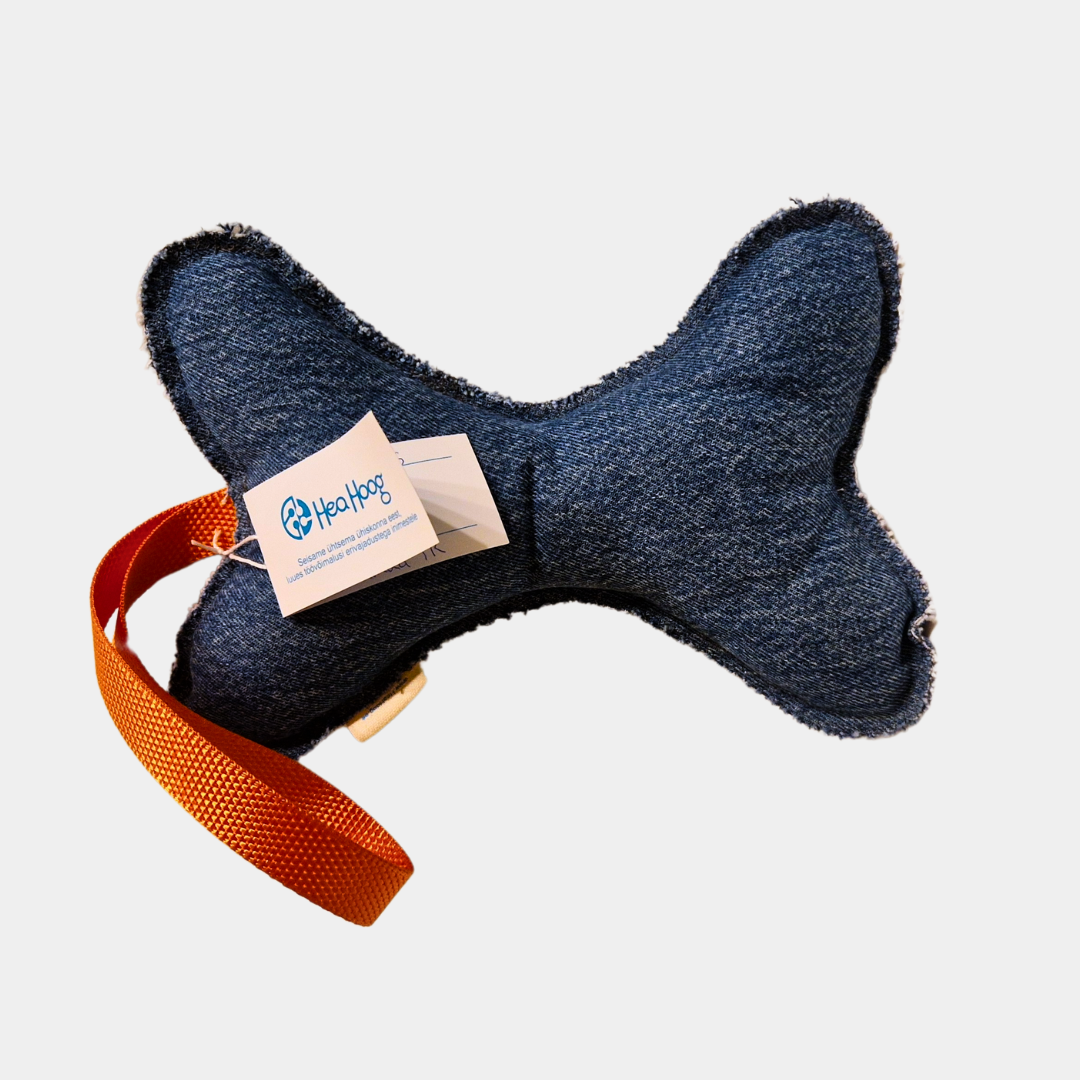
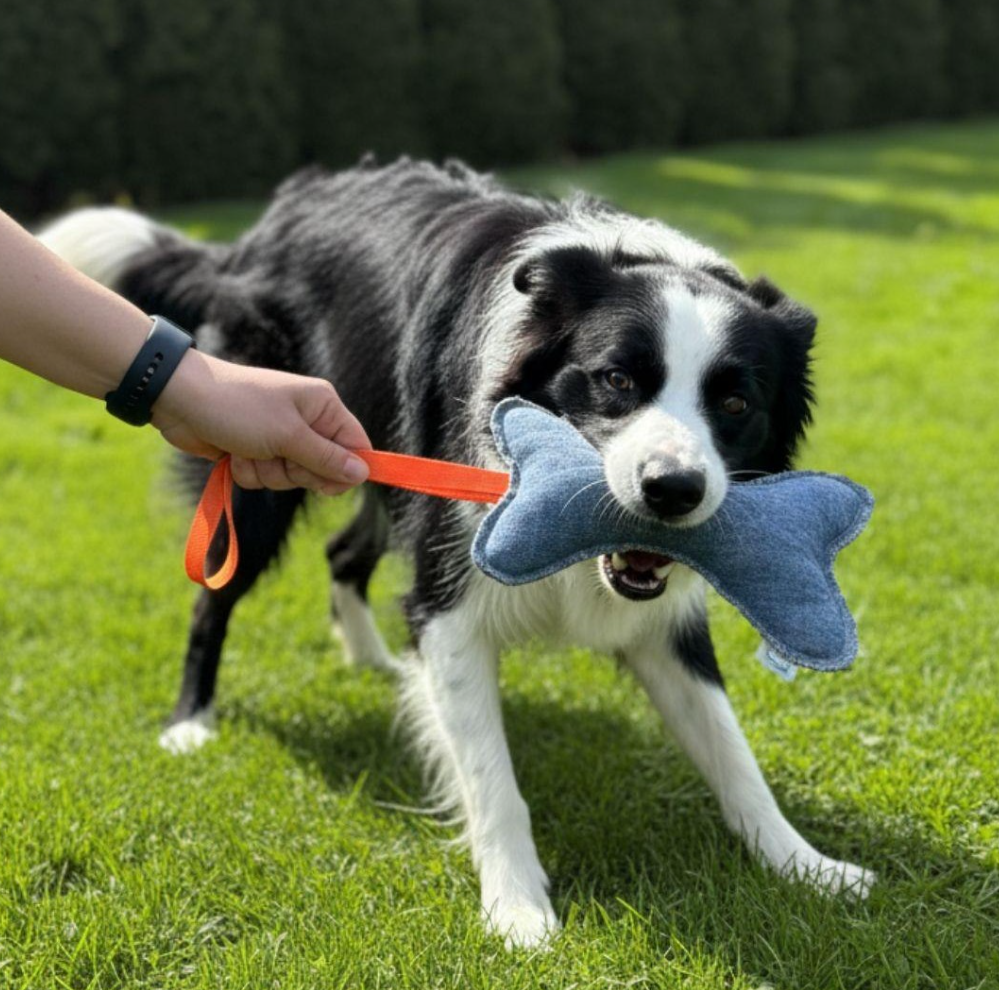
Grab-Bite: 🐊 What is it: The initial physicla contact. The predator reaches out with its jaws to capture and halt the moving prey. Body Language: A forward snap and hold Enrichment outlet: Frisbee, mid-air latching of a tug toy, holdig something in the mouth for a calming walk.
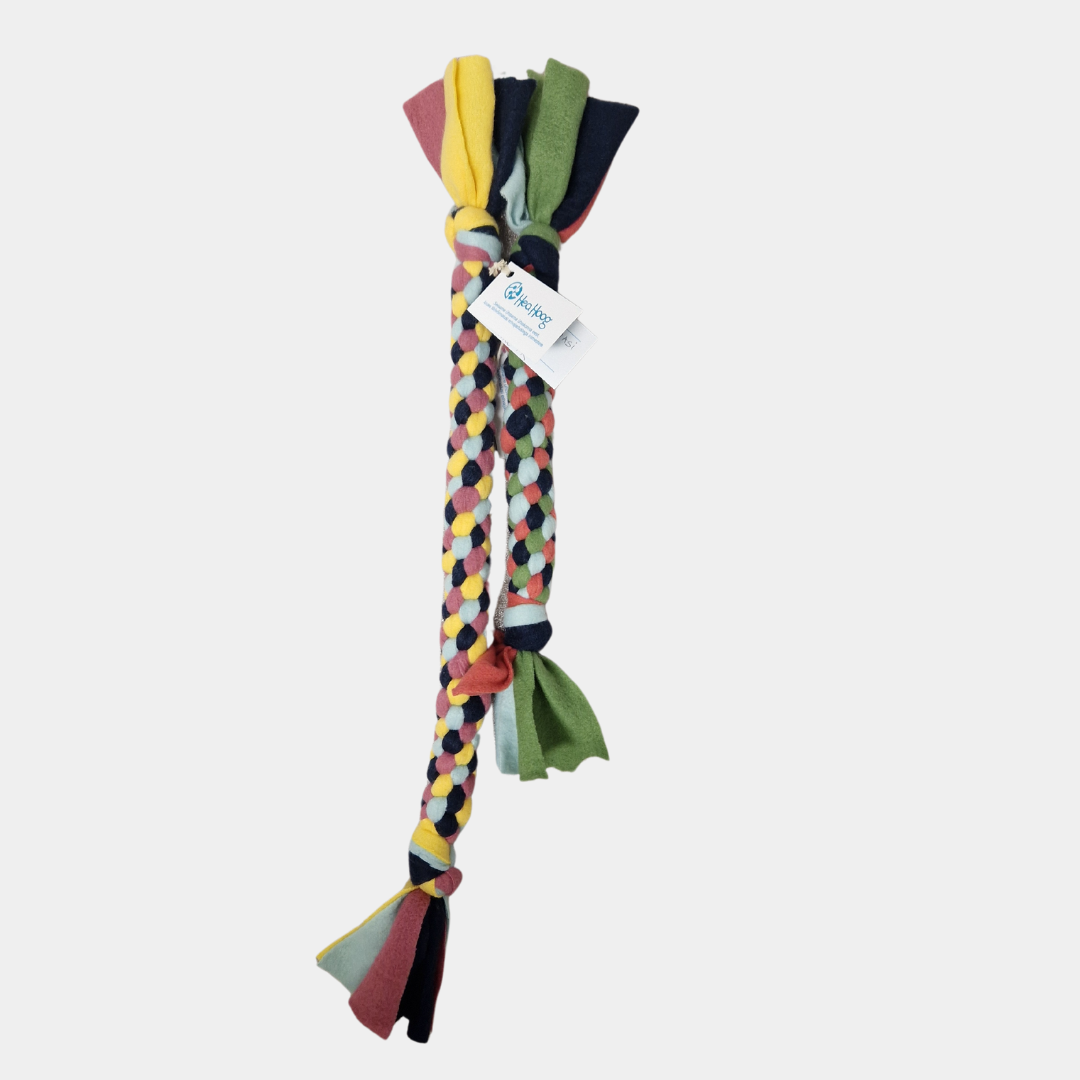
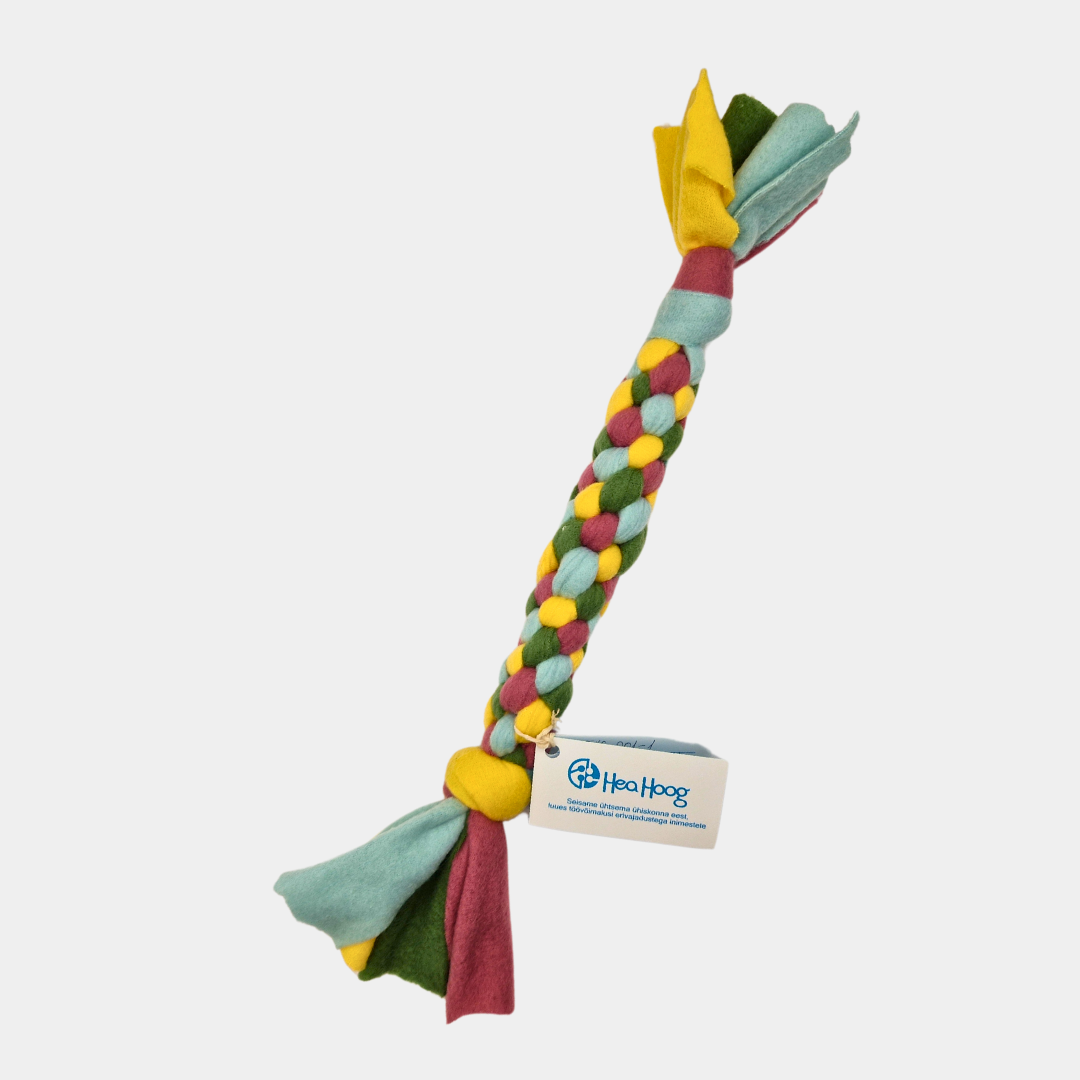
Kill-Bite: 💥 What is it: A hard crushing bite to the throat or spine. Body Language: The classic, rapid, side-to-side head shake, the death shake is designed to break a prey's neck. Enrichment Outlet: Long fleece toy ropes that is designed to endure shaking
Carry / Possess 🦅 What is it: Claiming the prize. The predator removes the prey from teh immediate danger zone to prevent others from stealing it. Body Language: High head posture, parading around with the item, or immediately retreating to a crate or under a furniture with the item. Enrichment Outlet: Teaching a "hold" command, or providing a comfort toy they can carry.
Dissect ✂️ What is it: Prepping the meal. Removin the fur, features, or skin to access the nutrients in the meat of the prey. Body Language: Plucking behaviours using the front incisors, pinning the object down with the front paws, and tearing pulling motions. Enrichment Outlet: Letting dog shred and destroy toys, cardboard boxes, lettuce.
Consume 🥩 What is it: The ulimate reward. Eating the prey which triggers a parasympathetic nervous system response - effectively lowering adrenaline and inducing calm. Body Language: Chewing, licking, licking lips, and subsequent relaxationi / sleeping. Enrichment Outlet: Lickmats, stuffed Kongs, long lasting chews, raw-feeding puzzles.
Matching the Predatory Sequence to Breed-Specific Behavioural Drives
Now that we understand the anatomy of the Predatory Sequence, let's look at how to build real, functional enrichment activities tailored to your dog's specific genetic branch.
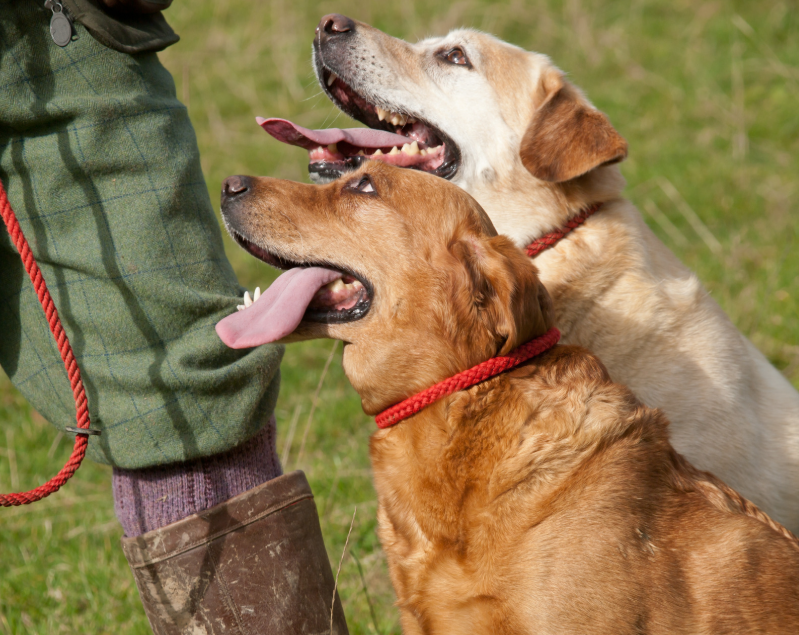
Retrievers & Gundogs (e.g., Labrador Retrievers, Golden Retrievers) Their Brains & Genetics: Gundogs are engineered for cooperative tracking, flushing, and retrieving game. They possess intense olfactory tracking and grab-obtaining drives, but their sequence completely omits the "kill-shake." Instead, they possess a fixed genetic trait known as a "soft mouth," allowing them to carry items with precise pressure control without damage. Carrying items is internally reinforcing and provides immediate emotional stability. Neuroimaging confirms their brains are optimised for human-directed attention and sensory processing, displaying significant structural expansion in neural networks dedicated to vision, spatial navigation, and scent processing (Hecht et al., 2019). Foraging and scent discrimination directly stimulate the olfactory cortex, increasing optimistic cognitive states and lowering resting cortisol levels.
Enrichment Ideas:
⚽Advanced Scent Discrimination: Play "name it and find it" games by teaching them to retrieve specific toys by name using only their nose
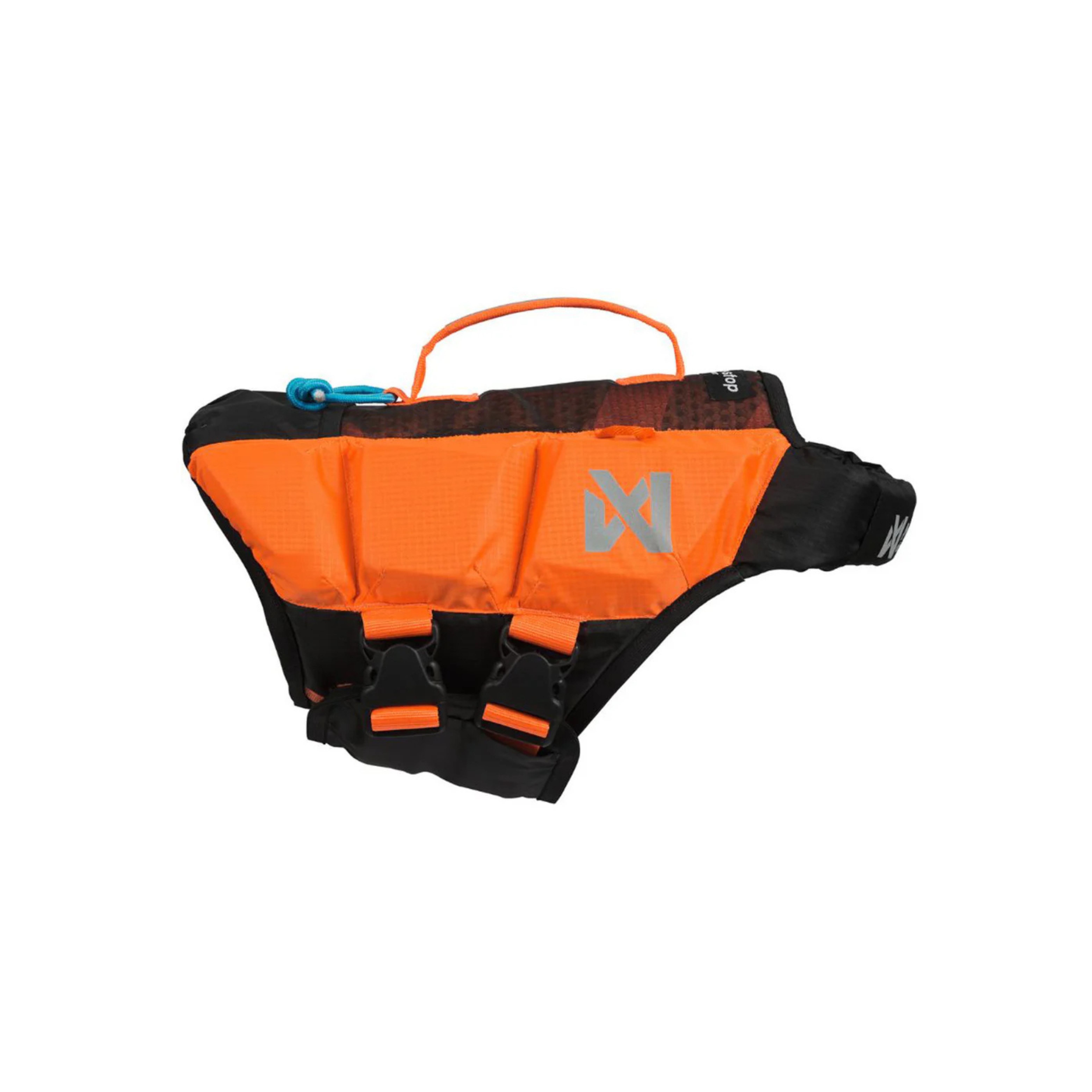
⚽ Functional Carrying & Water Work: Allow them to carry a training bumper during neighborhood walks to stabilise their mood, and provide swimming opportunities for water-retrieving breeds.
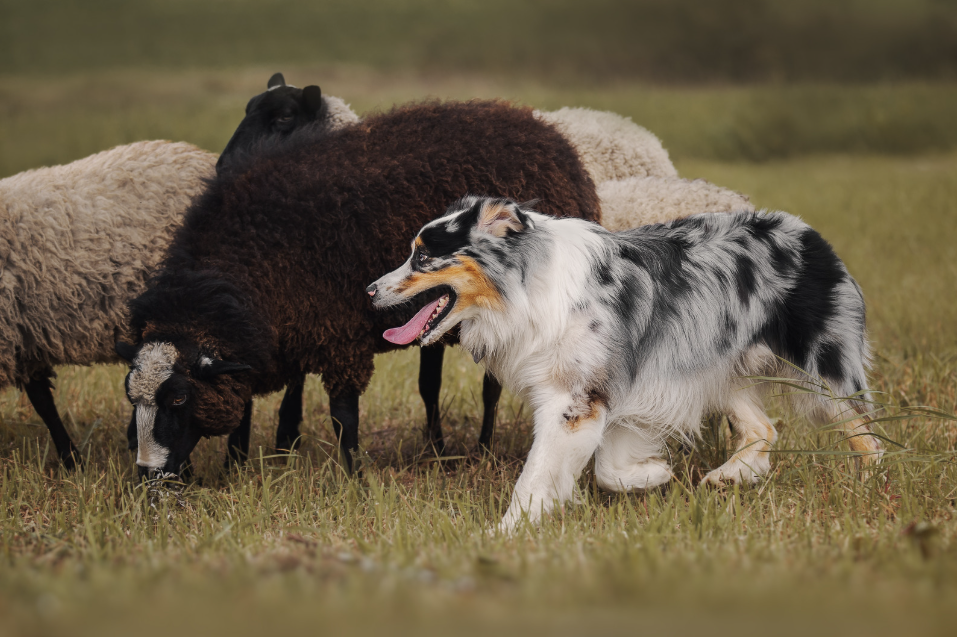
Herding Breeds (e.g., Border Collies, Australian Shepherds) Their Brains & Genetics: Herding dogs possess a highly specialised predatory motor pattern intensely focused on stalking, chasing, and flight control, while completely omitting terminal bite behaviors. They are hardwired to manage the movement of other animals. Neuroanatomical mapping shows significant structural expansion in brain networks dedicated to vision, spatial navigation, and human-directed joint attention (Hecht et al., 2019). Genetic mapping links herding lineages to unique neural variations that yield high trainability and a hyper-awareness of environmental movement (MacLean et al., 2019). Without structural outlets, this hardwiring often manifests as compulsive chasing of cars, shadows, or children.
Enrichment Ideas:
⚽Structured Impulse Control: Use a flirt pole to practice high-arousal impulse control, requiring a "stay" or a trick before releasing them to chase ⚽Treibball & Agility: Introduce Treibball (pushing and herding large fitness balls across a field) or agility to challenge their rapid spatial problem-solving skills.
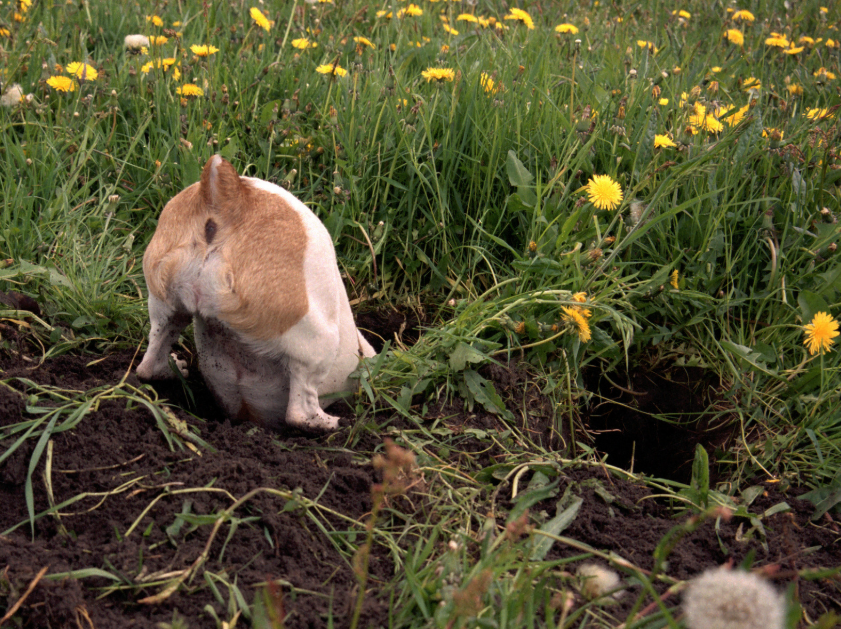
Terriers (e.g., Jack Russell Terriers, Border Terriers) Their Brains & Genetics: Terriers were bred for subterranean, close-quarters predation. They are genetically hardwired to exhibit a highly amplified, truncated Grab-Bite and Kill-Shake sequence. Their genomic profile includes environmental hyper-vigilance, an autonomous digging reflex, and intense reactivity to micro-movements. Terriers possess exceptionally high predatory autonomy; because they were bred to work out of sight and make independent decisions underground, they do not look to humans for direction when their predatory circuit is activated (Dutrow et al., 2022)). Without outlets, this genomic hardwiring frequently redirects into compulsive, destructive behaviors inside the home.
Enrichment Ideas:
⚽ Deconstruction Boxes: Nest multiple layers of cardboard boxes filled with packing paper and high-value treats to safely satisfy their "shred-and-kill" sequence. ⚽ Tactile Digging Pits: Build a designated sand or fabric pit to hide toys, fulfilling their evolutionary need to displace substrate to unearth targets.
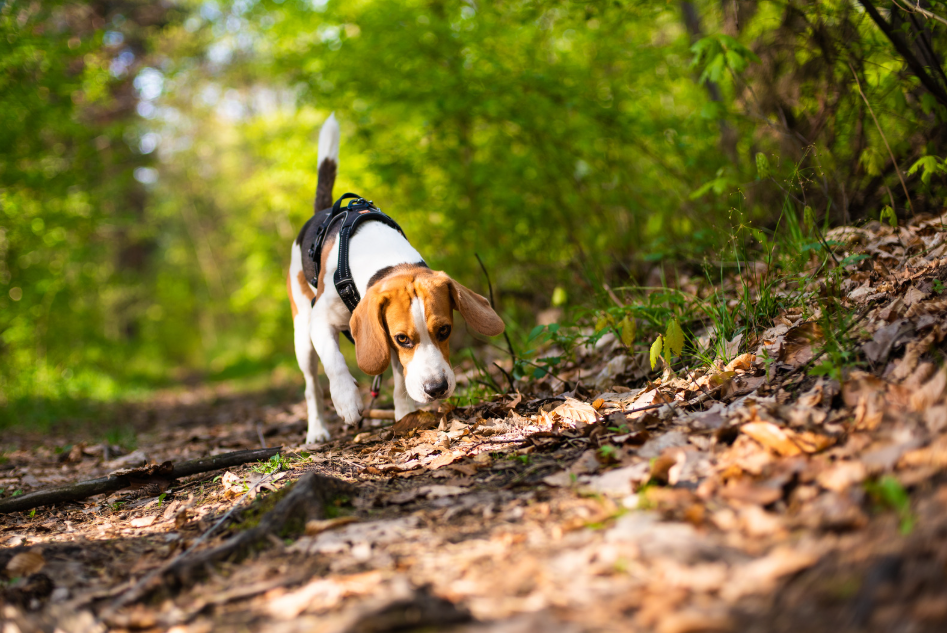
Scent Hounds & Sighthounds (e.g., Beagles, Greyhounds) Their Brains & Genetics: These lineages represent two opposite ends of canine sensory adaptation. Scent hounds are driven by long-distance, methodical olfactory persistence. Sighthounds are hardwired for explosive, high-speed visual pursuits. Genetic and neuroanatomical mapping shows that sighthounds possess structural brain expansions in visual processing and motor control networks (Hecht et al., 2019), whereas scent hounds possess hyper-developed olfactory pathways (Dutrow et al., 2022). Engaging their primary sensory apparatus satisfies primitive canine hunting loops, which drastically lowers environmental frustration caused by urban confinement.
Enrichment Ideas:
⚽ Olfactory Tracking & Trailing: Set up complex, long-distance scent lines across open fields using safe, diluted animal scents (like rabbit scent). ⚽ High-Speed Pursuits: Utilise structured lure coursing or remote-controlled mechanics in enclosed spaces to mimic unpredictable prey movement.
Village Dogs & Primitive Breeds (e.g., Streeties) Their Brains & Genetics: Unlike modern breeds shaped by human artificial selection, village dogs evolved via natural selection as opportunistic, independent scavengers. Their survival relied on executing the complete, unbroken predatory motor pattern—from orienting and stalking to the terminal grab-bite and kill-bite (Coppinger & Coppinger, 2001). Field ethology confirms they possess highly flexible foraging behaviors and a reliance on self-directed problem-solving (Majumder et al., 2014). Without physical channels to complete these terminal biting and tearing loops, their primitive survival mechanisms become frustrated, frequently resulting in severe neophobia, environmental anxiety, or hyper-vigilance.
Enrichment Ideas:
⚽ Scavenging Emulation: Utilise extensive scatter-feeding and puzzle-foraging games across a yard to mimic their natural free-ranging lifestyle ⚽ Supervised Destruction: Provide nested cardboard boxes or cheap plush toys that they are explicitly permitted to rip apart and "kill-bite" to release trapped neurochemical frustration.
The Three Pillars of My Daily Enrichment Schedule
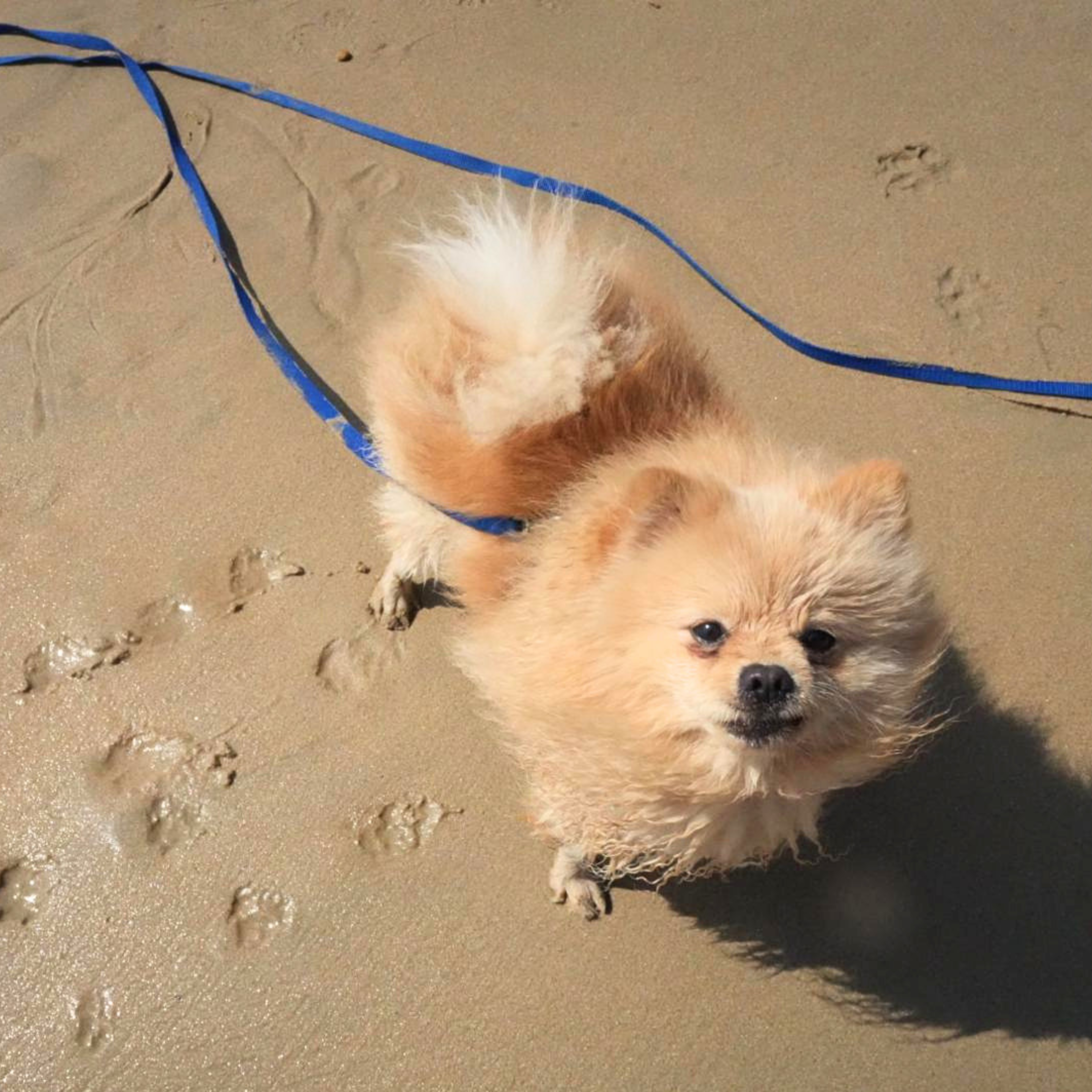
An optimal enrichment program rests on three pillars: Agency (giving choices), Novelty (keeping things fresh), and Routine (providing predictability). As a dog parent of nearly five years to two different breeds - a connection-seeking, affiliative yet vigilant Golden Retriever and a Pomeranian with highly developed, conditioned operant drive - I lived through a massive amount of trial and error because what worked for others did not work for us.
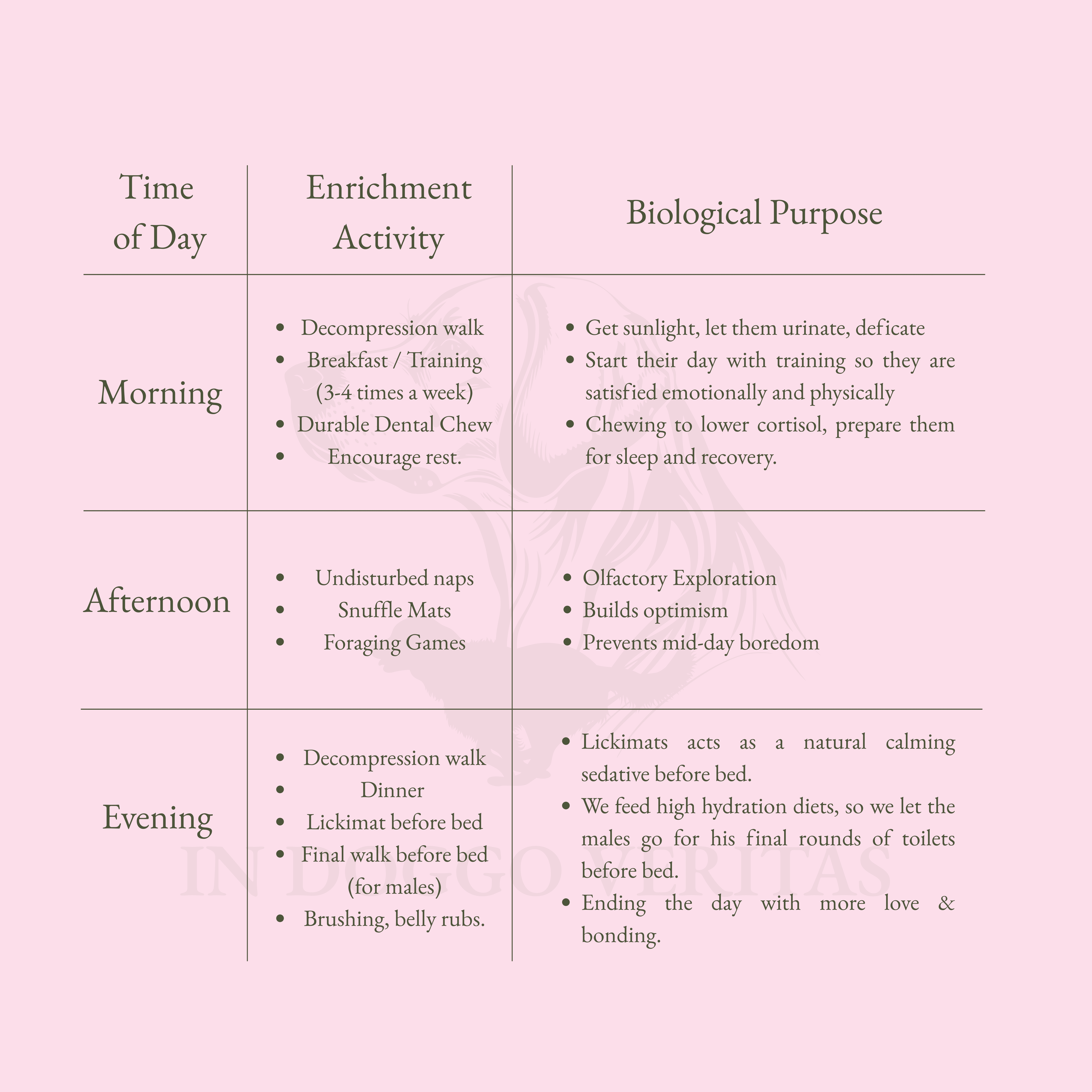
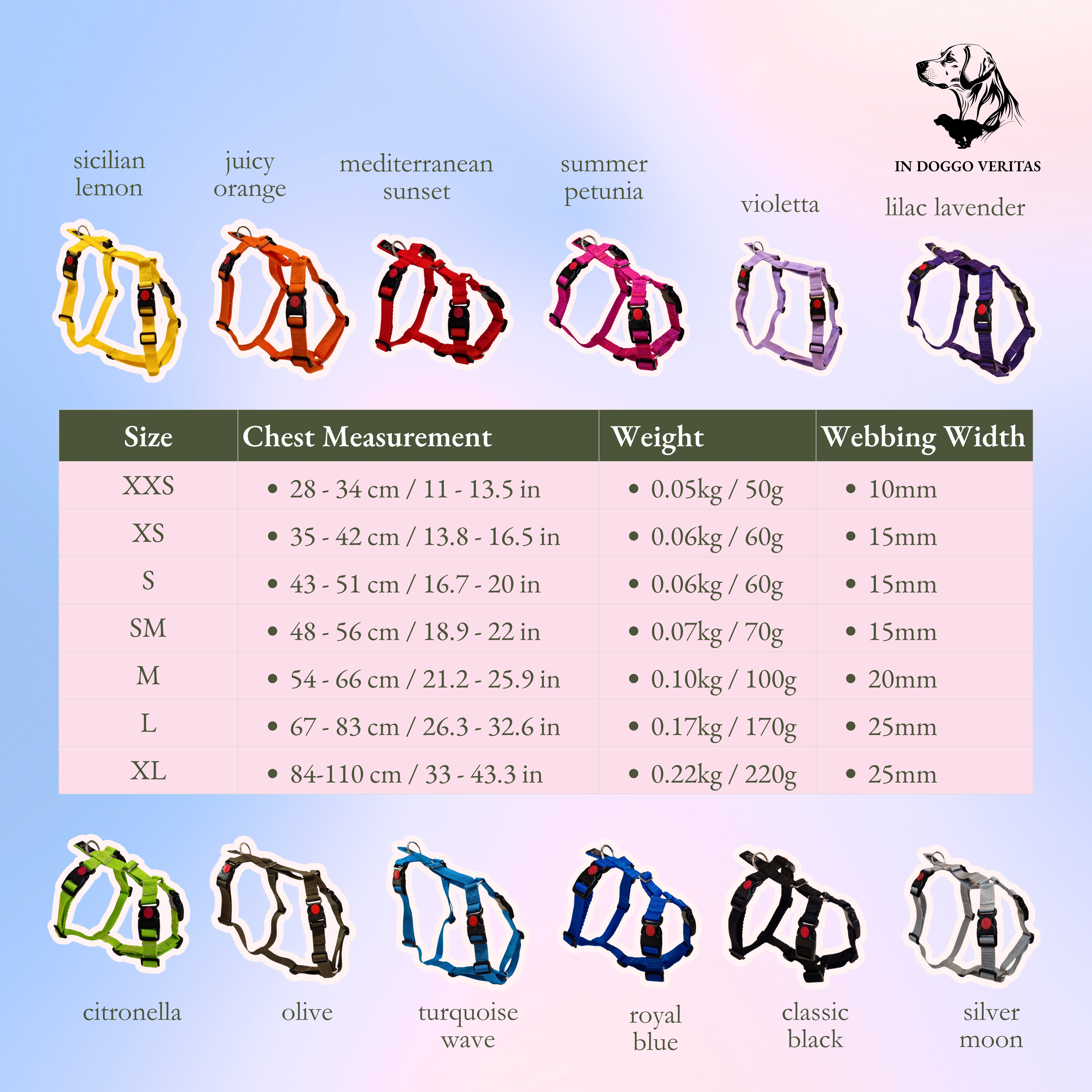
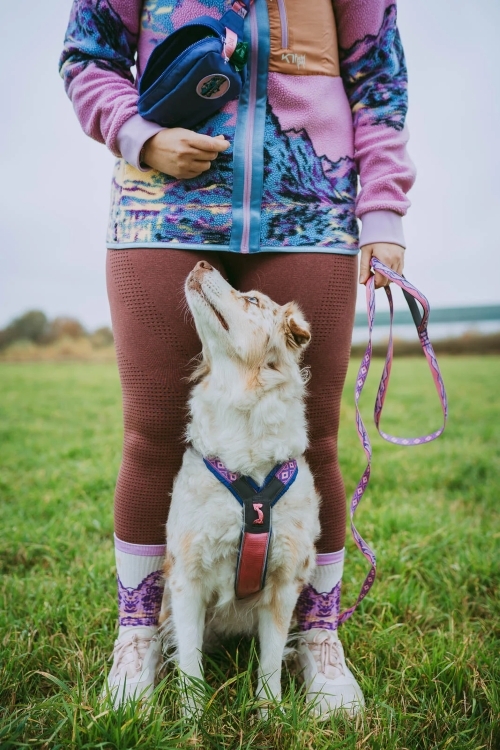
Decompression Walks 🐕🦺 1️⃣ Offer Choices: Start the walk with a choice—let your pup choose between different anatomically respectful harnesses to build confidence and agency. 2️⃣ Reduce the Noise: Stick to quiet, low-traffic areas for 30-minute stretches to keep cortisol levels low. 3️⃣ Build Up to Off-Leash Time: Invest heavily in recall training early on. A rock-solid recall allows you to safely give them off-leash freedom on most walks, which is amazing for their well-being. 4️⃣ Adapt for Multi-Dog Packs: Somem dogs enjoy pack walks, some do not. Schedule friendships according to their preferences and arousal levels. 5️⃣ Embrace the Sniffari: Let them stop and sniff as much as possible. A slow, sniff-heavy walk is far more enriching than a fast-paced march!
Physical & Mental Workouts. 🧠 1️⃣ Keep It Short & Sweet: You don't need hours to make an impact. As busy working professionals, fitting in quick 7–10 minute trick sessions 3–4 times a week is perfect for keeping your pups sharp without burning them out. 2️⃣ Mix in Strength & Conditioning: Balance out the mental games with physical conditioning! Allocate slightly longer sessions for specialised fitness and strength exercises to keep their joints healthy, cores strong, and bodies resilient. 3️⃣ Front-Load the Rewards: Deliver treats at a higher frequency right at the start of your training loop. This builds instant excitement, dopamine, and engagement. This is also to ensure they are not working when they are famished. 4️⃣ Prioritise Quality Over Quantity: Your pup will enjoy working with you a lot more if the session is fun. Keep the relationship positive and make sure the sessions are not longer than they are able to focus. Training is not labour, training is game. Keep them hooked onto the next levels by giving lots of praises and genuine encouragements. 5️⃣Do more of what they enjoy: Like us, dogs have their preferences. We can make their experience more positive by asking them to do more of what they enjoy more of.
Diurnal Sensory & Masticatory Rotation ⚖️ To optimise emotional regulation, a functional enrichment plan should utilise a strategic, three-part rotation across the day. By structuring oral, olfactory, and gastrointestinal engagement at specific times, we can leverage mammalian neurobiology to systematically balance a dog’s arousal levels from morning to night.
1️⃣ Morning (Oral - The Dopamine & Serotonin Balance): Kickstart the morning by offering a durable chew (e.g., natural chews or rubber toys). Repetitive, active chewing exercises the masseter muscles, triggering a distinct neurochemical cascade that releases dopamine during the active phase and promotes serotonin synthesis, helping to stabilise mood and act as a natural emotional buffer for the day ahead. 2️⃣Afternoon (Olfactory - The Cognitive Reset): Introduce a snuffle mat or a hidden scent-discrimination game during the midday slump. Scent work drastically shifts a dog’s brain waves into a focused state. Engaging the olfactory cortex through tracking or foraging has been proven to significantly increase a dog's optimistic cognitive bias, making them more resilient to daily environmental stressors 3️⃣ Night (Gastrointestinal - The Parasympathetic Switch): Conclude the evening with a licking activity (e.g., a spreadable mat or a stuffed toy). Repetitive licking involves rhythmic, low-arousal motor patterns that actively engage the parasympathetic nervous system (the "rest and digest" state). This down-regulates the sympathetic nervous system, lowering the heart rate and inducing a deeply relaxed state ideal for transitioning into deep sleep.
Auditory Environment & Choices 🎻 1️⃣ Acoustic Enrichment: Play species-appropriate auditory enrichment—such as classical music, soft reggae, or specialised canine acoustic arrangements—at a low, ambient volume (under 60 decibels) to mask unpredictable environmental triggers and stabilise the dog's resting heart rate. 2️⃣ The Spatial Freedom: Place the audio source in a fixed location, ensuring the dog retains complete spatial freedom to move closer to or physically escape the sound. This sensory zoning honors the dog's micro-choices, preventing sensory habituation or feelings of entrapment. 3️⃣ The Neurobehavioral Science: Peer-reviewed ethological studies confirm that targeted acoustic enrichment significantly reduces standard indicators of shelter and domestic stress, such as chronic barking, pacing, and hyper-vigilance. Furthermore, providing environmental controllability—the dynamic freedom to choose or avoid a sensory stimulus—is clinically proven to prevent learned helplessness and lower baseline cortisol levels (Wells, 2009).
Never leave them alone for too long, but give them options to be left alone too ⛺ 1️⃣ Isolation limits: Limit the dog's maximum period of continuous, unmonitored isolation to no more than 4 to 5 hours. If daily absences must extend beyond this threshold, integrate a professional pet sitter or dog walker to introduce a structured break in the isolation cycle. 2️⃣ Social buffer: As obligate social mammals, domestic dogs rely heavily on social companionship for emotional regulation. The dynamic introduction of a predictable human presence during long absences provides a powerful social buffer, effectively resetting the dog's separation baseline and preventing the accumulation of isolation distress. 3️⃣ Freedom to do nothing: True behavioral enrichment is not about packing a dog's schedule with constant stimulation; hyper-enrichment can inadvertently cause chronic hyper-arousal. Effective plans must incorporate designated "quiet zones"—such as open crates, den-like spaces, or restricted rooms—where the dog can retreat and rest completely undisturbed by human household activity. Giving a dog the autonomy to choose quiet isolation protects their sleep architecture, allowing them to process daily stimuli and settle into vital, low-arousal downtime.
Conclusion: The Horizon of Co-Regulation
Enrichment is ultimately the art of figuring out who your dog is biologically and deciding—ideally before you bring them home—what kind of environmental outputs you are comfortable providing continuously. It is a nuanced balancing act designed to grant canine agency, establish grounding routines, and introduce structured novelty, all while maintaining and honoring your individual life as a human guardian.
To conclude this framework, keep these three final diagnostic principles in mind as you develop your dog's routine:
Enrichment is a Spectrum, Not a Checklist: You do not need a perfect schedule or an expensive array of specialised gear to satisfy your dog's ancestral blueprint. True environmental modification operates on the principle of subtraction as much as addition. Sometimes, the most high-value enrichment choice you can make for a hyper-aroused dog is simply removing environmental chaos, providing an open crate, and letting them sleep undisturbed.
The Power of Co-Regulation: Canine behavioral welfare is fundamentally bi-directional. A human guardian who is chronically stressed, overwhelmed, or burnt out by a hyper-complex enrichment schedule will inadvertently pass that emotional arousal straight down the leash. Your peace of mind is the literal foundation of your dog's safety; your stability is their ultimate social buffer.
Honoring the Individual at Both Ends of the Leash: At In Doggo Veritas, we believe in continuous learning at a pace that is genuinely sustainable and comfortable for the human handler. You do not need to rewrite your entire life overnight. Start by matching just one fractured step of your dog's breed-specific predatory sequence today—whether that is a 10-minute cardboard tearing session for a terrier or a quiet, object-carrying walk for a retriever.
By honoring your dog’s genetic past while respecting your own human boundaries, you stop managing symptoms and start cultivating a shared lifestyle built on mutual clarity, scientific empathy, and genuine peace.
Bibliography
Bekoff, M. (2007). The emotional lives of animals: A leading scientist explores animal joy, sorrow, and empathy—and why they matter. New World Library.
Bunford, N., Reicher, V., Vargáné Kis, A., Pogány, Á., Gombos, F., Bódizs, R., & Gácsi, M. (2018). Differences in pre-sleep activity and sleep location are associated with variability in daytime/nighttime sleep electrophysiology in the domestic dog. Scientific Reports, 8(1), 7109.
Coppinger, R., & Coppinger, L. (2001). Dogs: A startling new understanding of canine origin, behavior, and evolution. Scribner.
Duranton, C., & Horowitz, A. (2019). Let me sniff! Nosework induces positive affect in domestic dogs. Applied Animal Behaviour Science, 211, 61-66.
Dutrow, E. E., Plassais, J., Hogan, A. N., Zhou, G. D., Parker, H. G., Harris, A. C., ... & Ostrander, E. A. (2022). Domestic dog lineages reveal genetic drivers of behavioral diversification. Cell, 185(25), 4737-4753.
Lord, K., Coppinger, L., & Coppinger, R. (2013). Variations in consecutive stages of the predatory motor pattern among domestic dog breed groups. Behavioural Processes, 98, 38-45.
MacLean, E. L., Snyder-Mackler, N., vonHoldt, B. M., & Serpell, J. A. (2019). Highly heritable breed differences in canine behavior correspond to genetic lineages. Proceedings of the Royal Society B: Biological Sciences, 286(1912), 20190716.
Majumder, S., Bhadra, A., Ghosh, A., & Mitra, S. (2014). To be or not to be social: Foraging strategies of free-ranging dogs in an urban environment. Applied Animal Behaviour Science, 154, 57-66.
Meehan, C. L., & Mench, J. A. (2007). The challenge of challenge: Can problem solving opportunities enhance animal welfare? Applied Animal Behaviour Science, 102(3-4), 246-261.
Newberry, R. C. (1995). Environmental enrichment: Increasing the biological relevance of captive environments. Applied Animal Behaviour Science, 44(2-4), 229-243.
Overmier, J. B., & Seligman, M. E. (1967). Effects of inescapable shock on subsequent escape and avoidance responding. Journal of Comparative and Physiological Psychology, 63(1), 28-33.
Palmer, C. (2010). Animal ethics in context. Columbia University Press.
Panksepp, J. (1998). Affective neuroscience: The foundations of human and animal emotions. Oxford University Press.
Panksepp, J. (2005). Affective consciousness: Core emotional feelings in animals and humans. Consciousness and Cognition, 14(1), 30-80.
Riemer, S., Heritier, C., Windschnurer, I., Pratsch, L., Arhant, C., & Affenzeller, N. (2021). Effects of leash tension and environmental triggers on salivary cortisol concentrations in pet dogs during urban walks. Domestic Animal Endocrinology, 74, 106115.
Rollin, B. E. (2020). The bioethics of companion animals: Autonomy and rights within human-centric social environments. Veterinary Clinics: Small Animal Practice, 50(4), 711-723.
Schilder, M. B., & van der Borg, J. A. (2004). Training dogs with help of the shock collar: Short and long term behavioural effects. Applied Animal Behaviour Science, 85(3-4), 319-334.
Serpell, J. A., & Hsu, Y. (2005). Effects of breed, sex, and neuter status on trainability in dogs. Journal of the American Veterinary Medical Association, 227(9), 1434-1439.
Spinka, M., Newberry, R. C., & Bekoff, M. (2001). Mammalian play: Training for the unexpected. The Quarterly Review of Biology, 76(2), 141-168.
Wells, D. L. (2009). A review of environmental enrichment for kennelled dogs, Canis familiaris. Applied Animal Behaviour Science, 120(3-4), 111-119.