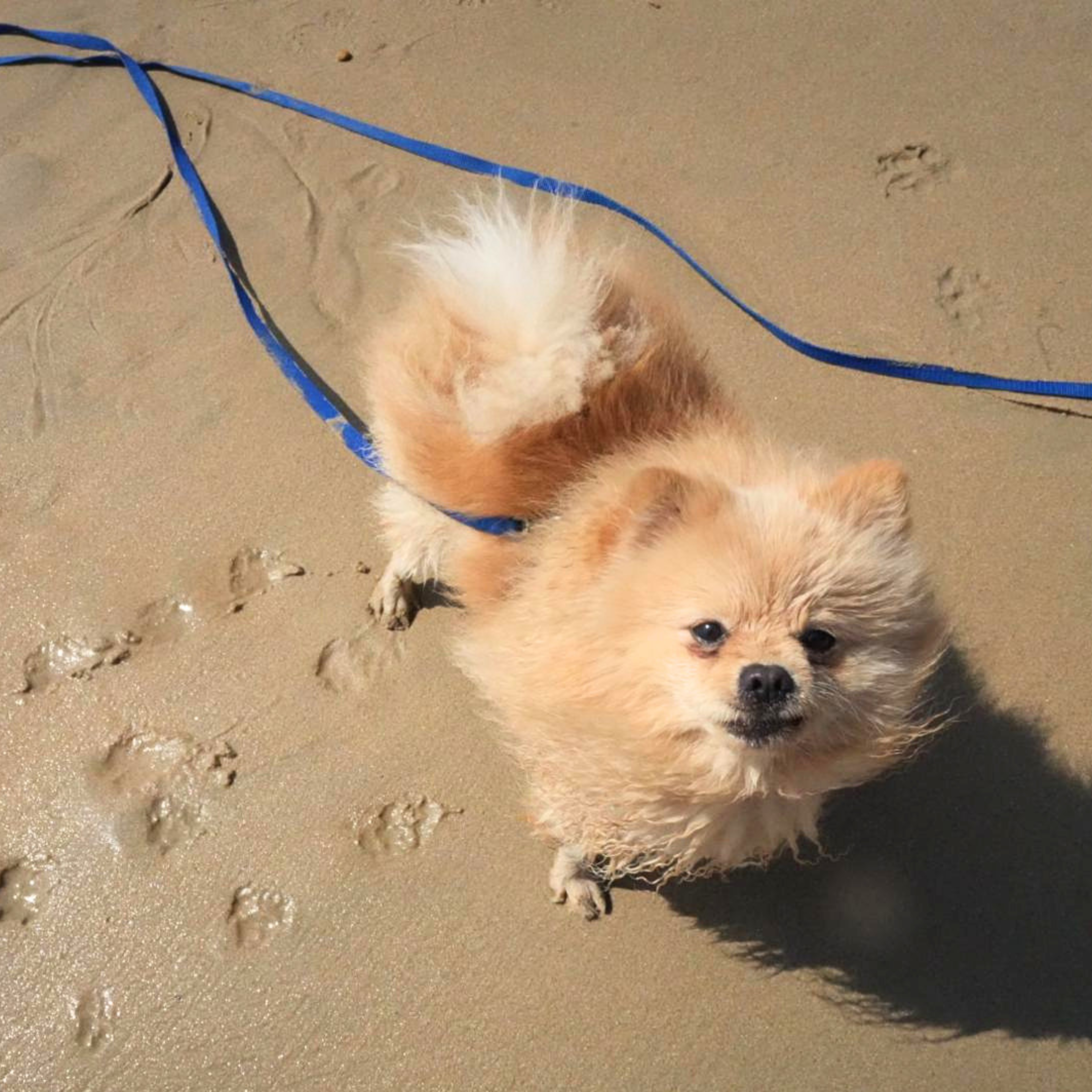
我們都知道香港是世界上節奏最快的城市之一。事實上,心理學家 Robert Levine 與研究員 Richard Wiseman 的指標性都市研究一致指出,香港行人步行速度高居全球前列(Levine & Norenzayan, 1999;Wiseman, 2007)。 如此緊繃的都市節奏,像一股漩渦裹挾著我們與愛犬,不得不一路急馳。
雖然都市步調驅使犬隻不斷前行,但研究顯示,高密度的城市環境使犬隻持續承受感官過載、高頻聲響壓力以及空間壓迫感(Beerda et al., 1997;Overall et al., 2001)。這種永無止境的高警覺狀態,會引發慢性下視丘-垂體-腎上腺軸(HPA 軸)持續活化,導致系統性皮質醇水平上升並抑制免疫反應(Coburn et al., 2020)。若任由慢性都市壓力累積,將加速犬隻生理老化、加劇反應性行為,並實質縮短其壽命(Dreschel, 2010)。
因此,香港為我們的愛犬帶來了獨特的生存挑戰。要抵銷這種環境壓力,必須採取主動介入措施。一次優質的散步絕非僅止於體力消耗,更必須主動發揮關節保護、神經系統下調以及情緒平衡的作用(Zink & Van Dyke, 2018;Duranton & Horowitz, 2019)。以下是高效能散步的三大生物學支柱,以及天然地形如何為您的愛犬提供臨床級別的修復力:
1. 身體舒適度(Physical Comfort)- 輕量化胸背帶、牽繩與軟質地面
身體健康奠基於步態自由度與衝擊力減緩。標準的城市散步長期下來會造成機械性勞損(Impellizeri et al., 2000)。
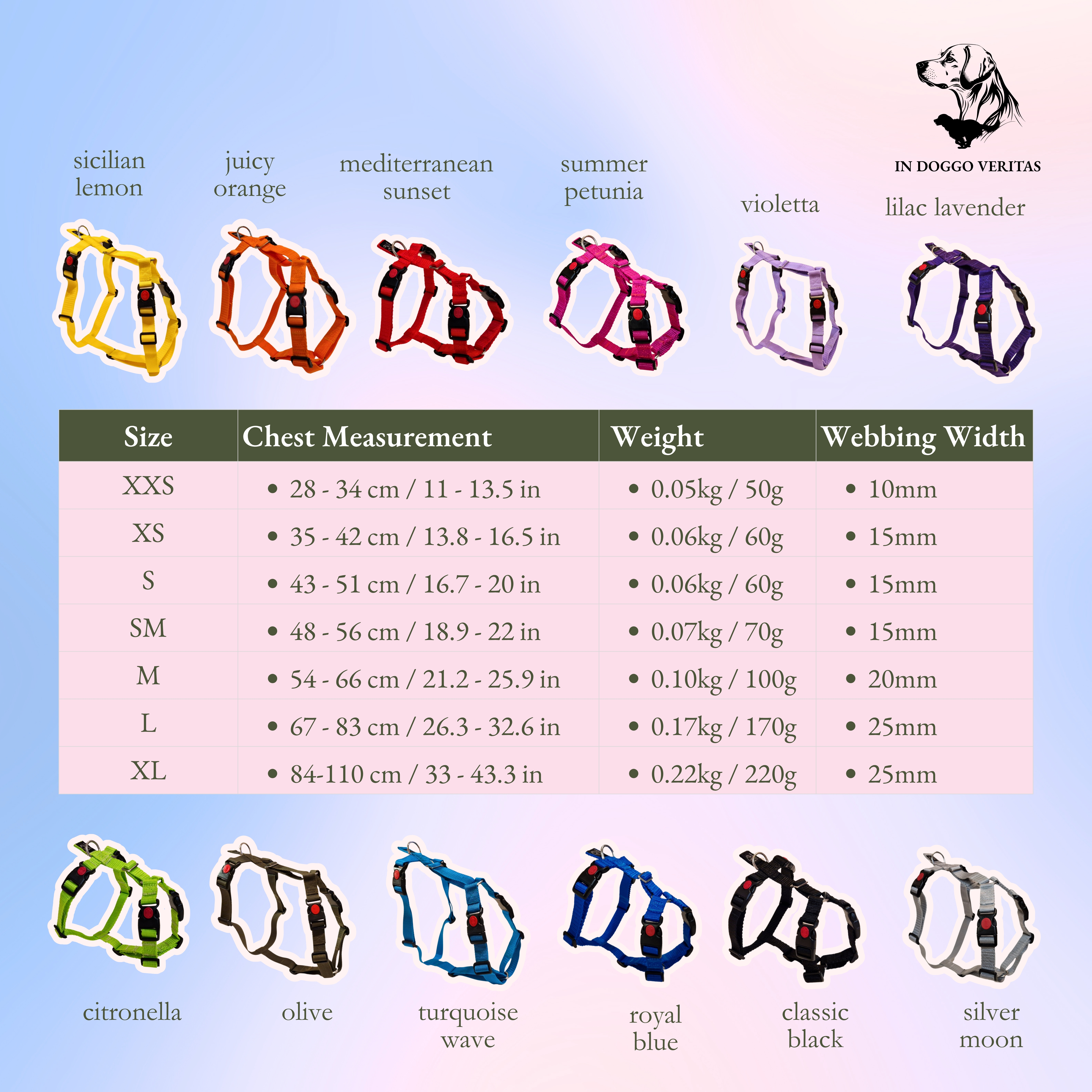
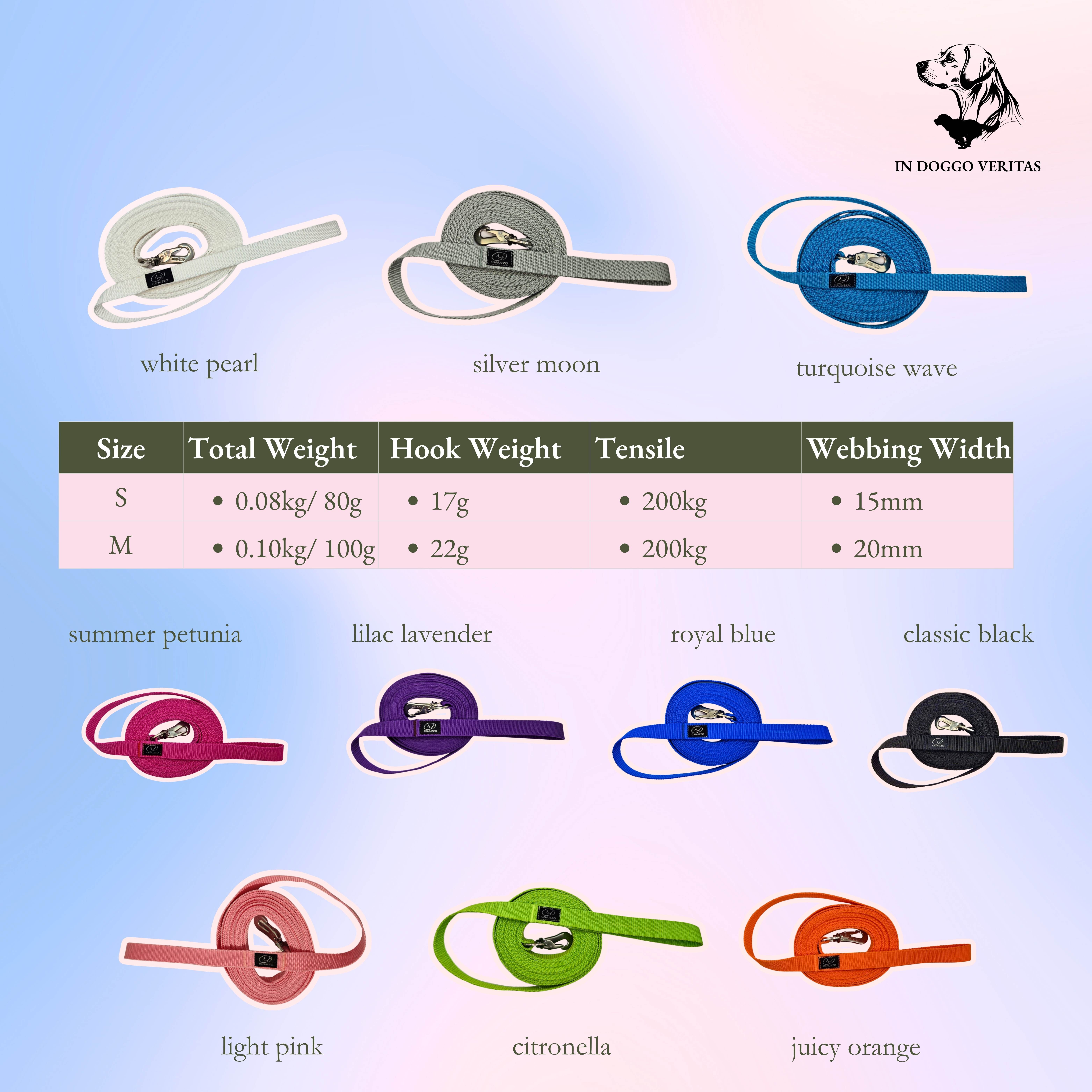
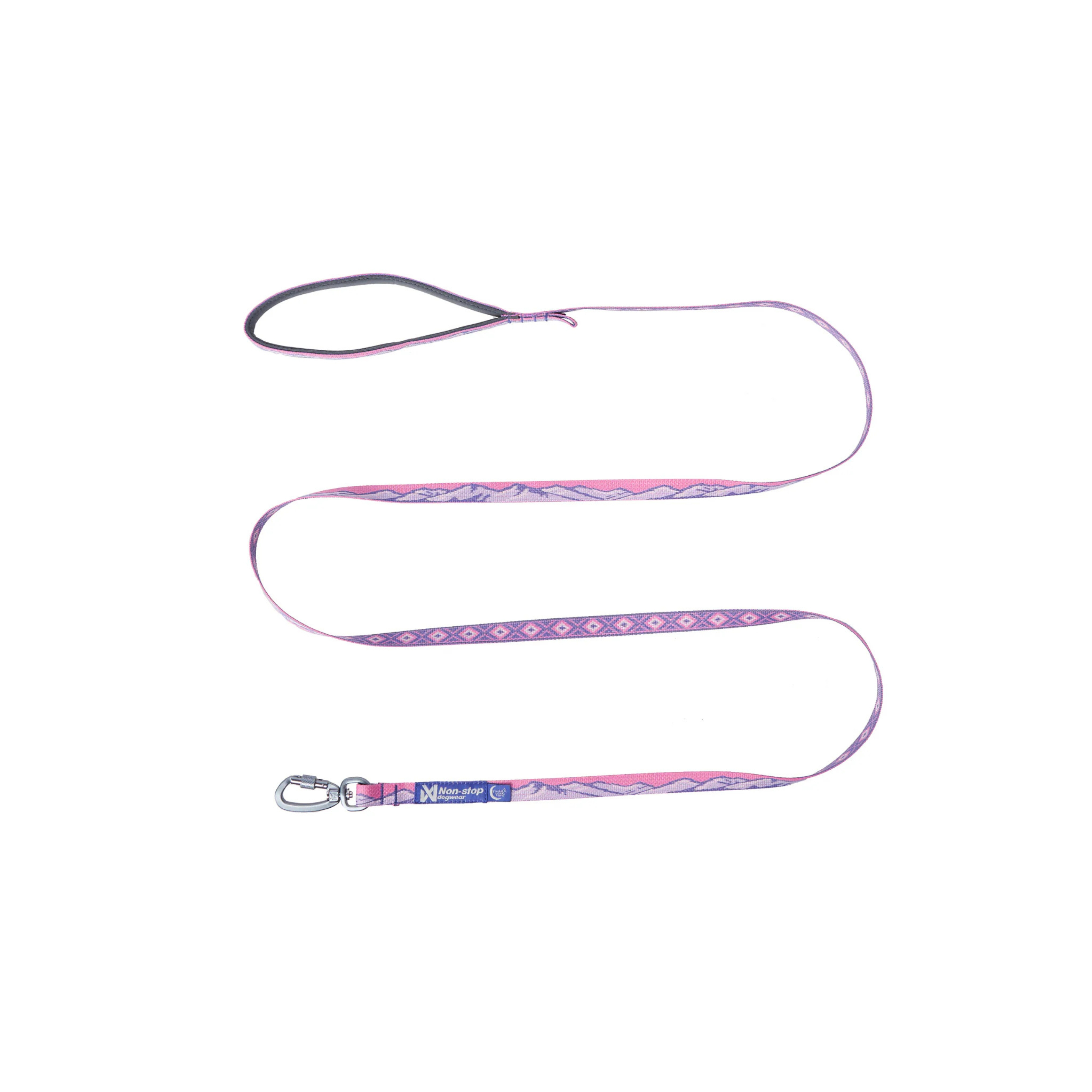
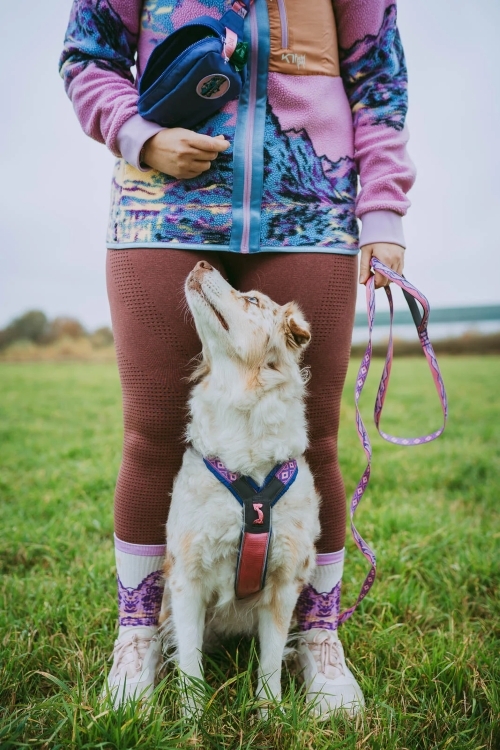
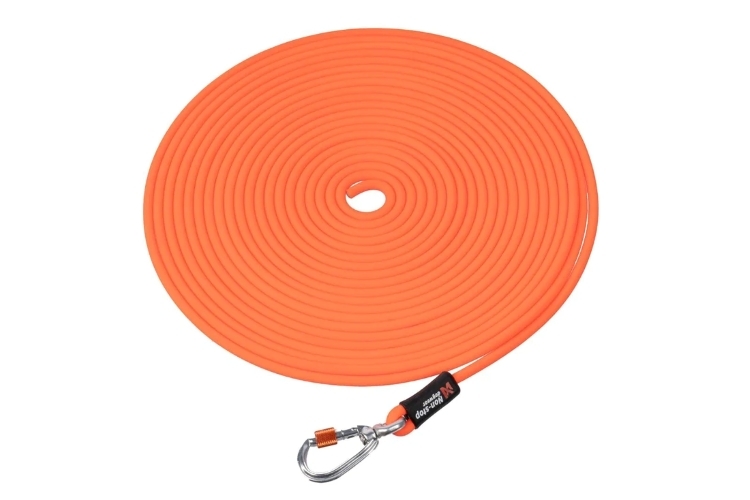
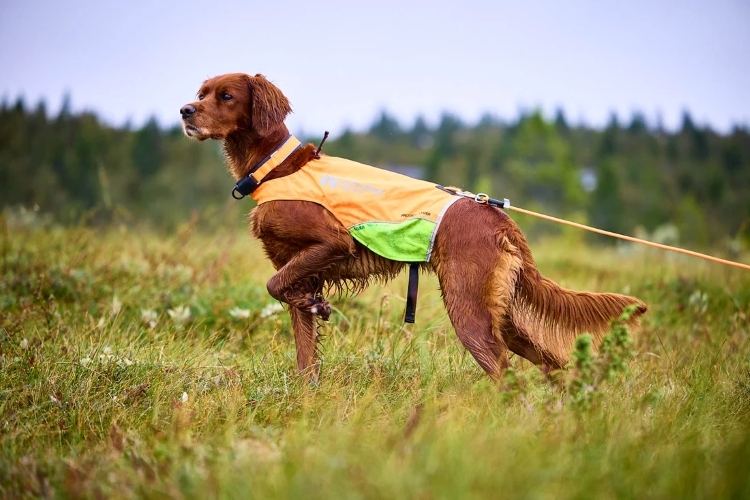
符合人體工學的裝備整合: Y 型且不限制活動的胸背帶——例如由 Canuzzo 所設計的工學結構——能防止動態肩部受限,保護頸椎並允許肩胛骨進行自然運動(Zink & Van Dyke, 2018)。將適當的人體工學裝備搭配輕量化長牽繩,讓愛犬順應自己的天性步調,踏出最舒適的步伐。
地形多樣性: 在高衝擊力的柏油路面上持續行走會給犬隻關節軟骨及脊椎帶來負擔,隨著時間推移會加速骨關節炎的發生。相比之下,較為柔軟的天然地形——如泥土、森林土壤及草地——能提供關鍵的機械順應性與衝擊吸收,顯著降低重複性的關節負荷(Impellizeri et al., 2000)。此外,都市微氣候中的柏油路面會吸收極高的熱能,對腳掌造成嚴重的燙傷風險(Hemmelgarn & Gannon, 2013)。除了衝擊保護外,行走於起伏的天然地面(岩石、樹根、斜坡及多元質地)會促使神經系統主動計算落腳點。這種感官-運動反饋迴路能提升本體感覺(Proprioception),即大腦對身體在空間中位置的感知能力(Hamilton et al., 2007)。體驗多變地形能激活核心穩定微肌肉群,增強核心穩定度,並訓練犬隻如何以具功能性與適應性的方式運用身體(Zink & Van Dyke, 2018)。
Beerda, B., Schilder, M. B., van Hooff, J. A., de Vries, H. W., & Mol, J. A. (1997). Chronic stress in dogs subjected to social and acoustic stressors. Physiology & Behavior, 62(1), 133–141.
Bekoff, M. (2004). Wild justice and fair play: Cooperation, forgiveness, and morality in animals. Biology and Philosophy, 19(4), 489–520.
Coburn, H. L., & Appleby, D. L. (2020). Environmental enrichment and cortisol response in companion dogs. Journal of Veterinary Behavior, 36, 45–52.
Dreschel, N. A. (2010). The effects of fear and anxiety on health and lifespan in domestic dogs. Applied Animal Behaviour Science, 125(3-4), 157–162.
Duranton, C., & Horowitz, A. (2019). Let me sniff! Nosework induces positive judgment bias in domestic dogs. Applied Animal Behaviour Science, 211, 61–66.
Hamilton, L., Millis, D. L., & Taylor, R. A. (2007). Proprioception and balance training in canine rehabilitation. Veterinary Clinics of North America: Small Animal Practice, 37(4), 765–777.
Hemmelgarn, C., & Gannon, K. (2013). Heatstroke: Thermoregulation, pathophysiology, and cell injury. Compendium: Continuing Education for Veterinarians, 35(7), E1–E8.
Impellizeri, J. A., Tetrick, M. A., & Muir, P. (2000). Effect of weight reduction and physical activity on joint lameness in dogs with osteoarthritis. Journal of the American Veterinary Medical Association, 216(7), 1089–1091.
Kiyokawa, Y., Kikusui, T., Takeuchi, Y., & Mori, Y. (2014). Partner presence mitigates stress-induced responses through social buffering. Frontiers in Neuroscience, 8, 354.
Levine, R. V., & Norenzayan, A. (1999). The pace of life in 31 countries. Journal of Cross-Cultural Psychology, 30(2), 178–196.
Range, F., & Virányi, Z. (2015). Tracking the evolutionary history of dog–human cooperation: The Canine Cooperation Hypothesis. Frontiers in Psychology, 6, 123.
Wiseman, R. (2007). Pace of Life Study. British Council & University of Hertfordshire.
Zink, M. C., & Van Dyke, J. B. (2018). Canine Sports Medicine and Rehabilitation. Wiley-Blackwell.