Home
/ Blog list page
/ What is a "Good Walk" for our Dogs in Hong Kong?
What is a "Good Walk" for our Dogs in Hong Kong?
2026-08-03
We all know Hong Kong is one of the world’s fastest-paced cities. In fact, landmark urban studies by psychologist Robert Levine and researcher Richard Wiseman consistently rank Hong Kong near the top globally for pedestrian walking speed (Levine & Norenzayan, 1999; Wiseman, 2007). Our urban routines keep us—and our dogs—moving at a rapid tempo.
While urban routines keep dogs moving, research shows that dense city environments subject dogs to continuous sensory overload, high-frequency acoustic stress, and spatial constriction (Beerda et al., 1997; Overall et al., 2001). This perpetual state of hyper-vigilance triggers chronic hypothalamic-pituitary-adrenal (HPA) axis activation, elevating systemic cortisol levels and suppressing immune response (Coburn et al., 2020). Left unchecked, chronic urban stress accelerates physiological aging, exacerbates reactive behaviors, and actively shortens a dog’s lifespan (Dreschel, 2010).
Therefore, Hong Kong poses a unique challenge to our dogs. Offsetting this environmental strain requires deliberate action. A high-quality walk must go beyond physical exercise; it must actively drive joint protection, nervous system down-regulation, and emotional balance (Zink & Van Dyke, 2018; Duranton & Horowitz, 2019). Here are the three biological pillars of a high-performance walk—and how natural terrain provides the clinical recovery your dog needs:
Physical Comfort: Harnesses, Leashes, and Soft Ground
Physical health relies on gait freedom and impact mitigation. Standard city walks create mechanical strain over time (Impellizeri et al., 2000).
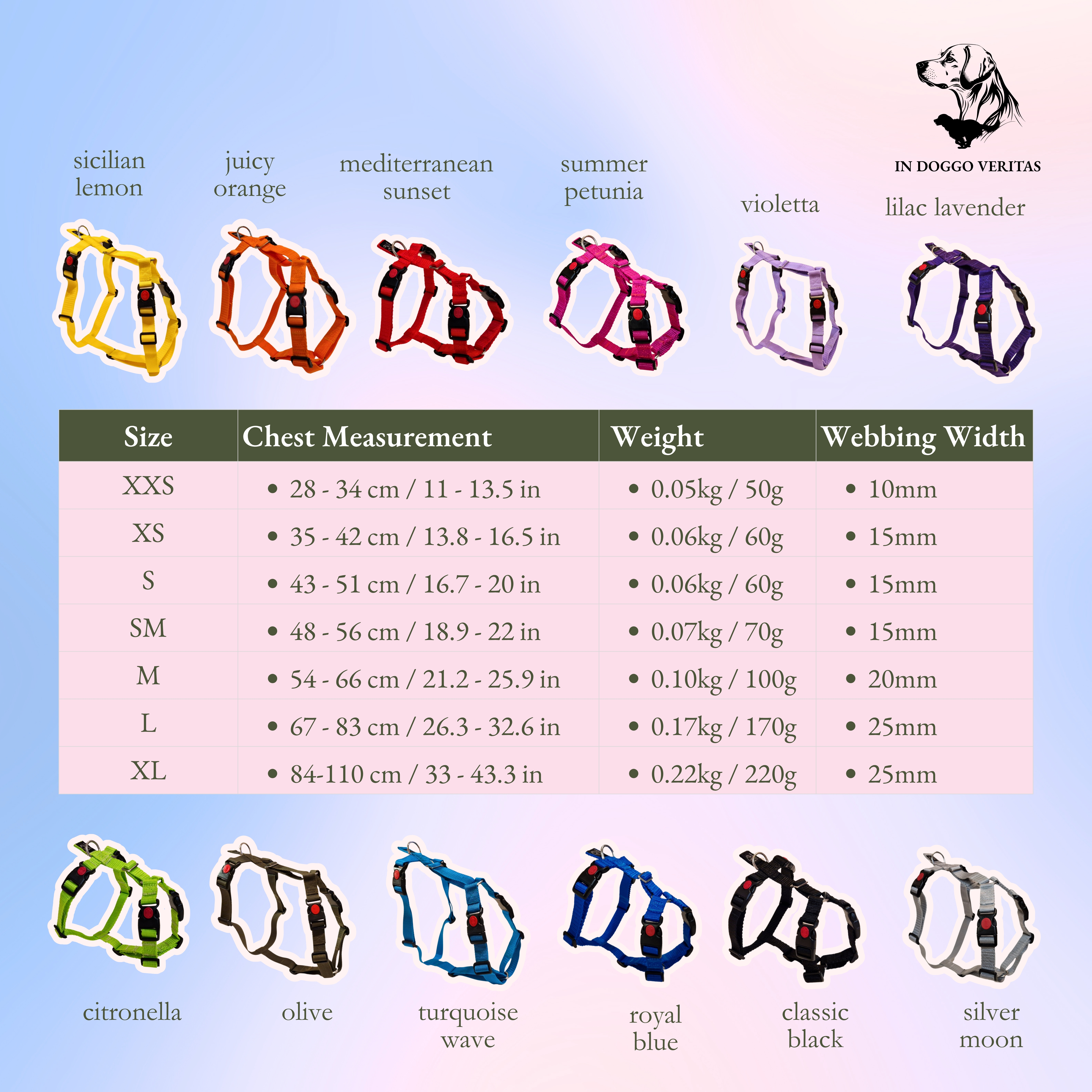
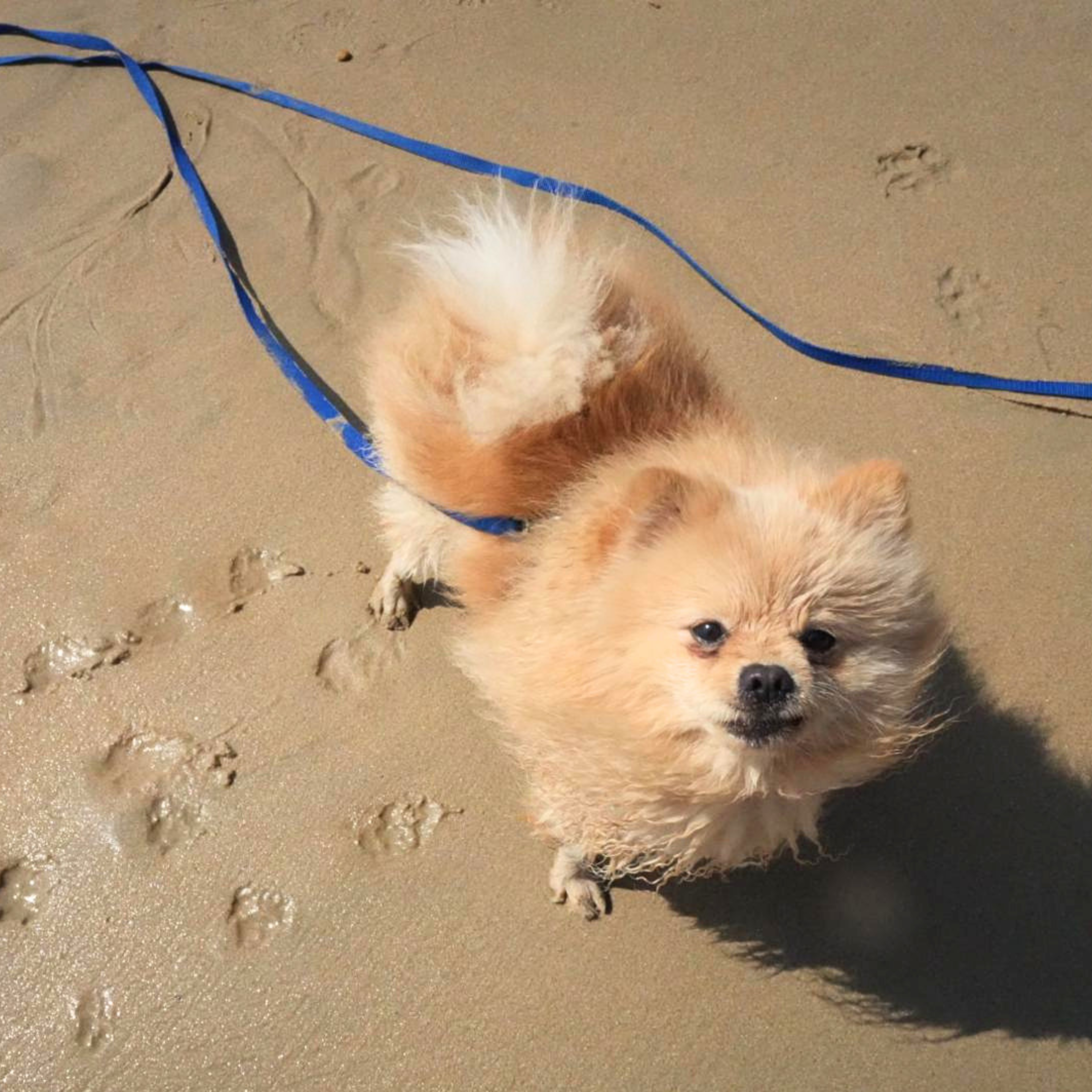
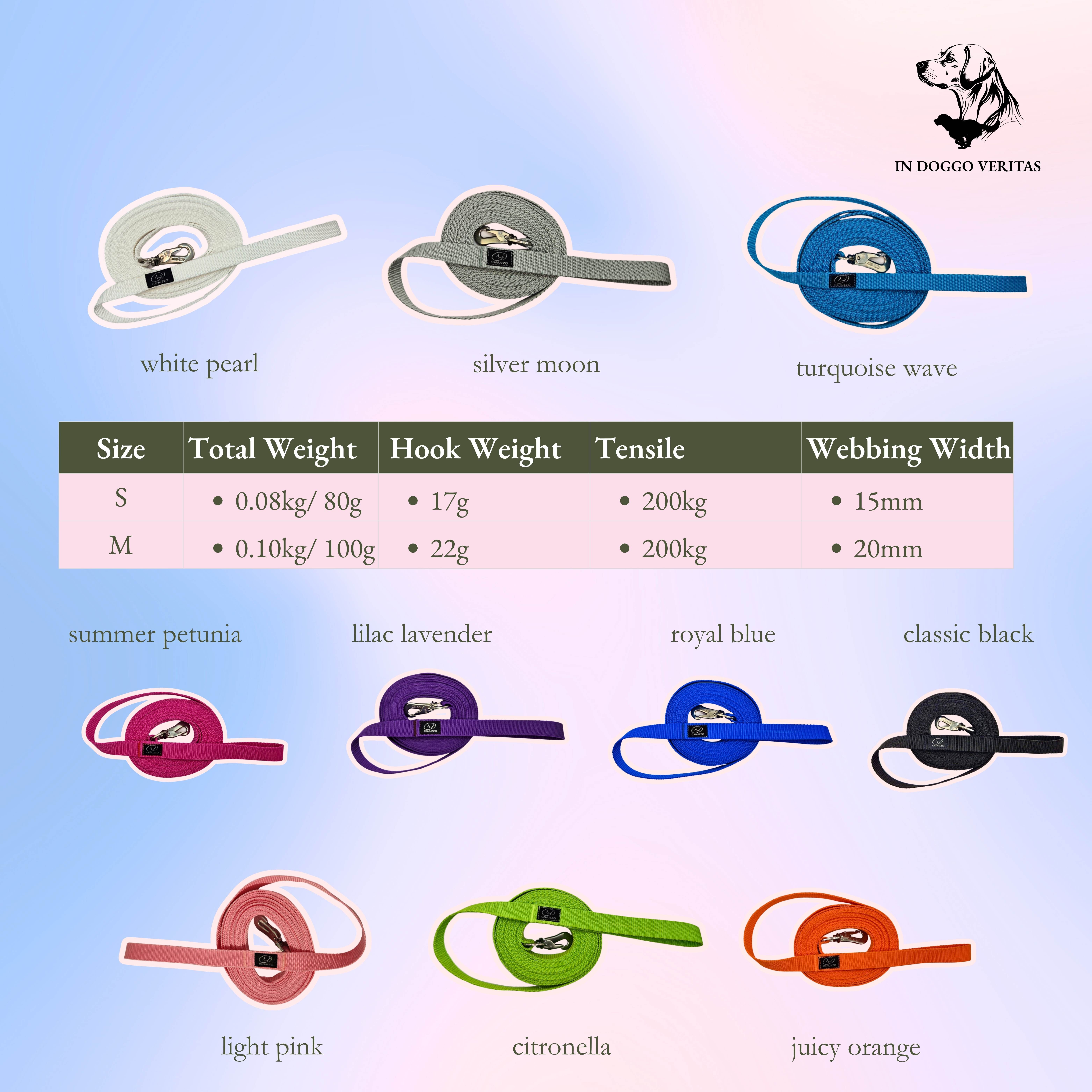
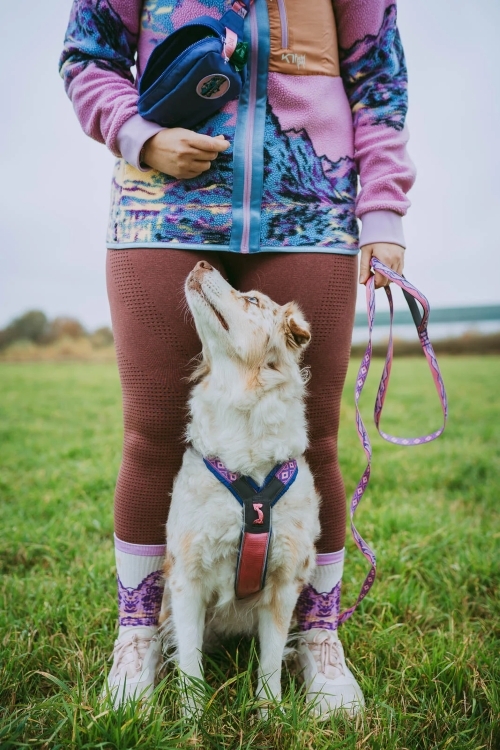
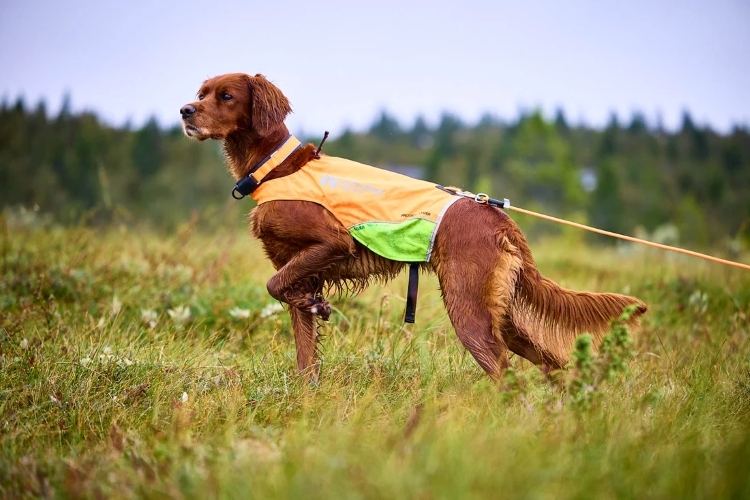
Ergonomic Gear Integration: Y-shaped, non-restrictive harnesses—like those engineered by Canuzzo—prevent dynamic shoulder restriction. They safeguard the cervical spine and allow natural scapular movement (Zink & Van Dyke, 2018). Pairing proper ergonomics with an extended leash lets your dog move at their natural stride frequency.
Terrain Diversity: Continuous movement on high-impact asphalt stresses canine articular cartilage and spinal columns, accelerating osteoarthritis over time. Softer natural terrain—such as dirt, forest soil, and grass—provides essential mechanical compliance and shock absorption, significantly reducing repetitive joint loading (Impellizeri et al., 2000). Furthermore, ambient asphalt temperatures in urban microclimates absorb extreme thermal energy, posing severe burn risks to paw pads (Hemmelgarn & Gannon, 2013). Beyond impact protection, navigating uneven natural ground—rocks, roots, inclines, and varied textures—forces the nervous system to actively calculate foot placement. This sensory-motor feedback loop enhances proprioception: the brain's awareness of body position in space (Hamilton et al., 2007). Experiencing varied terrain engages stabilizing micro-muscles, improves core stability, and teaches dogs how to use their bodies functionally and adaptively (Zink & Van Dyke, 2018).
Emotional Comfort: Sniffing, Calmness, and Decompression
City streets present relentless sensory inputs. Dense foot traffic, loud machinery, and tight spaces generate high-arousal states. Over time, these micro-stressors stack up (Dreschel, 2010).
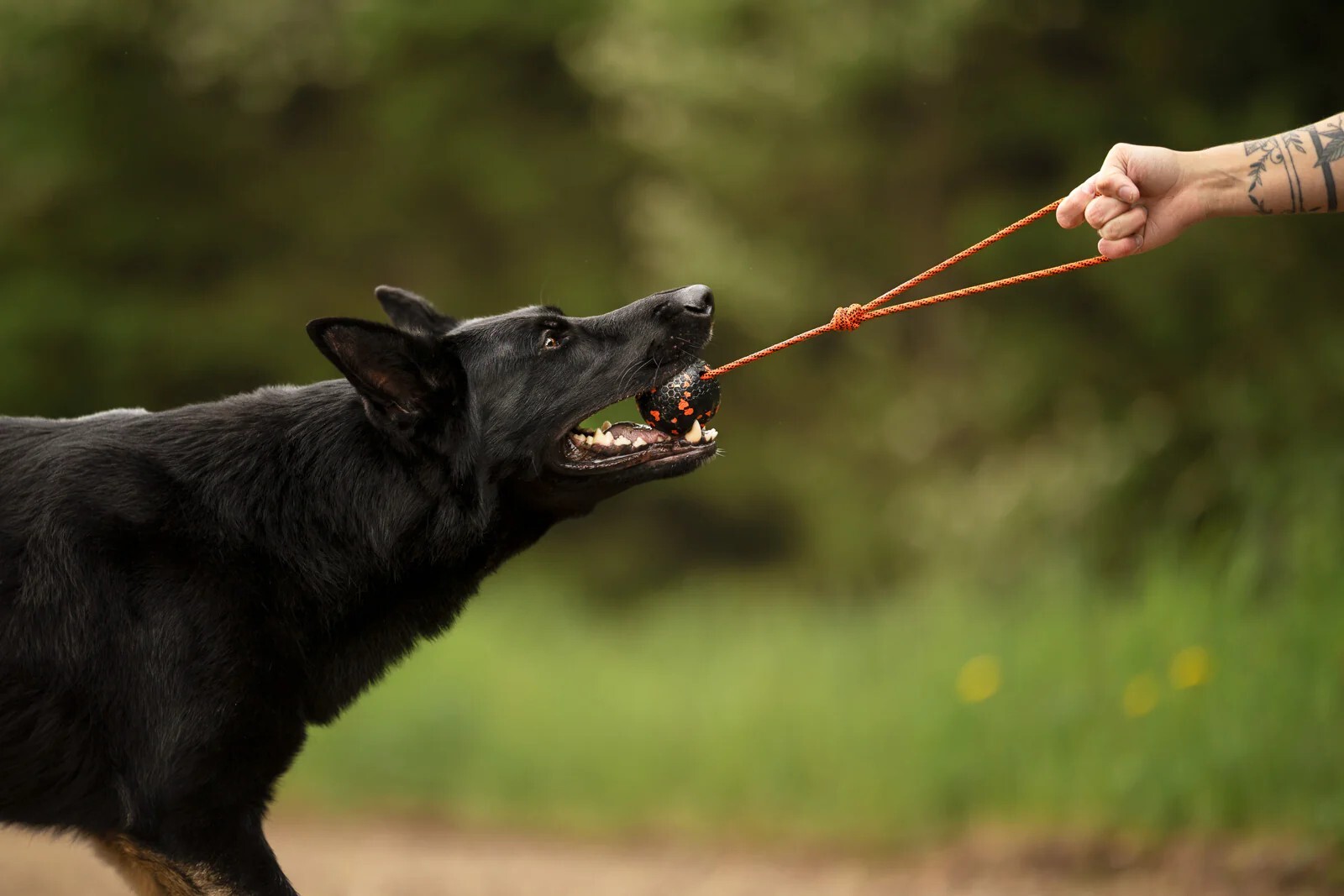
Olfactory Engagement: Sniffing is an essential neurological process. Olfactory exploration stimulates the brain while down-regulating the sympathetic nervous system. Clinical research proves that sustained nosework significantly drops a dog's heart rate, promoting a relaxed parasympathetic state (Duranton & Horowitz, 2019).
Systemic Decompression: Nature provides space and agency. In green environments, dogs explore without reactive triggers. Lowering chronic systemic stress directly reduces circulating cortisol levels. This optimises immune defense and extends overall longevity (Dreschel, 2010).
Social Comfort : Building Deep, Meaningful Friendships
Dense urban environments often force high-stress social encounters. On-leash greetings in narrow spaces trigger defensive reactivity and hyper-vigilance (Dreschel, 2010). Meaningful canine friendship develops when two dogs can exist in close proximity without conflict, moving together in a shared rhythm that builds trust and emotional resilience. While formal academic research on long-term companion dog friendships is an evolving field, ethologists and veterinary behaviorists recognize that true social fulfillment requires low-arousal, low-stress connections:
Selective Social Preference: Dogs do not view all members of their species equally; they display distinct partner preferences. Choice-test studies demonstrate that dogs consistently prefer proximity to specific individual peers over unfamiliar dogs, proving they seek true selective social bonds rather than mere canine interaction (Range & Virányi, 2015). These intraspecific bonds rely on low-arousal affiliative behaviors—such as synchronized resting, mutual grooming, and shared space—which stimulate endogenous oxytocin production to promote social trust (Handlin et al., 2011).
Parallel Movement and Play Mechanics: Authentic canine friendship rarely consists of relentless, high-arousal wrestling, which often reflects over-arousal or boundary-testing. Instead, healthy play is characterized by self-handicapping and role-reversal to maintain a balanced dynamic (Bekoff, 2004). Walking alongside familiar dogs in open, natural settings fosters genuine bond-building by eliminating the spatial tension and forced proximity of urban greetings (Zink & Van Dyke, 2018).
Emotional Co-Regulation: In stable, low-arousal friendships, dogs engage in mutual physiological buffer systems. The presence of a preferred, familiar companion significantly dampens the hypothalamic-pituitary-adrenal (HPA) axis response during novel or stressful situations, mitigating cortisol spikes and stabilizing heart rate variability (Kiyokawa et al., 2014).
Long-Term Health Outcomes: Providing low-stress social outlets delivers vital cognitive enrichment. Minimizing daily social anxiety directly reduces chronic glucocorticoid exposure and systemic inflammatory responses, contributing to improved metabolic health and longevity (Dreschel, 2010).
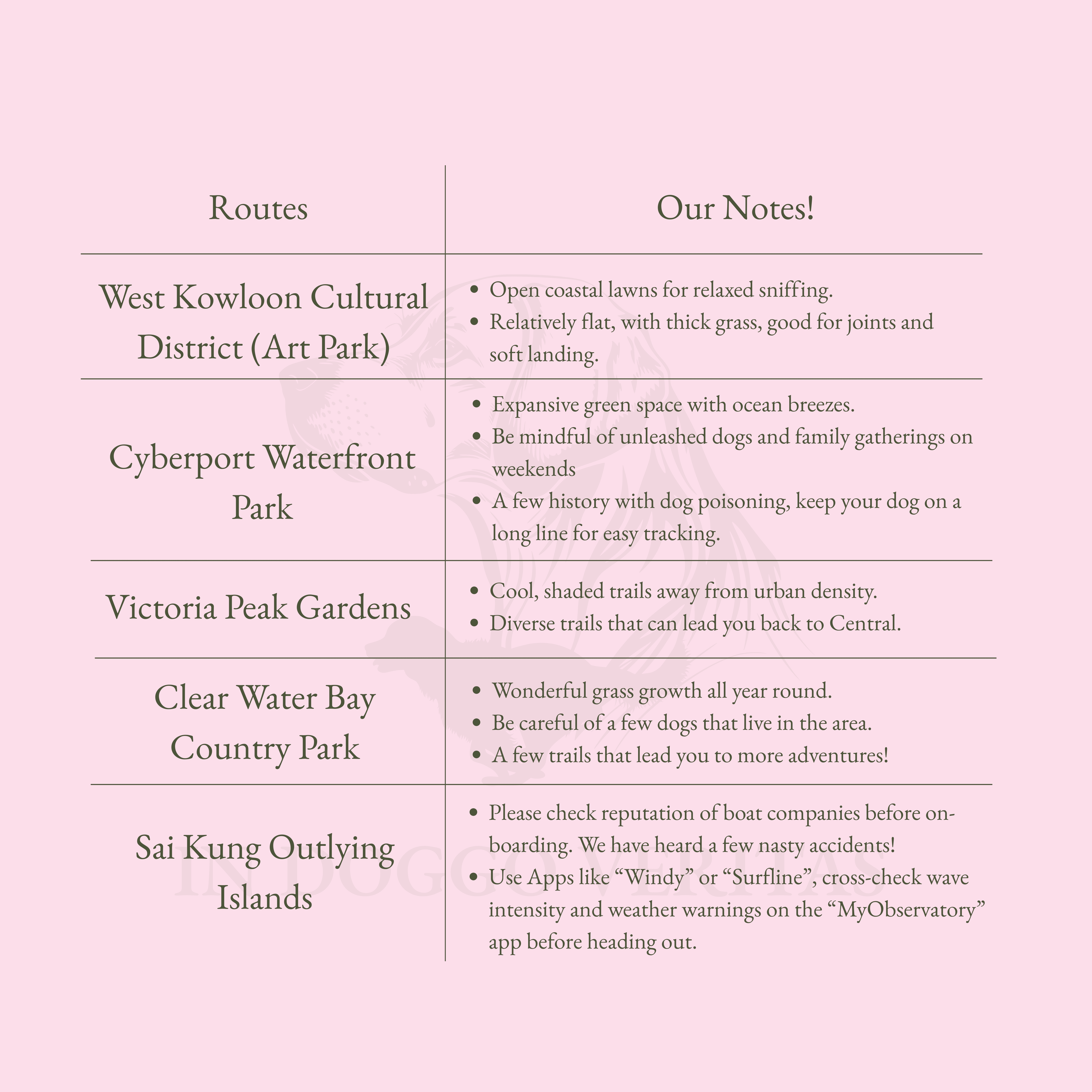
Prime Hong Kong Decompression Routes
Hong Kong offers premier locations to restore your dog's physiological baseline:
In a fast-paced world, a nature walk offers something invaluable to both you and your dog: the freedom to slow down, explore without pressure, and reconnect with what truly matters. Give your companion the physical comfort, emotional space, and meaningful connections they deserve on every journey ahead.
Bibliography
Beerda, B., Schilder, M. B., van Hooff, J. A., de Vries, H. W., & Mol, J. A. (1997). Chronic stress in dogs subjected to social and acoustic stressors. Physiology & Behavior, 62(1), 133–141.
Bekoff, M. (2004). Wild justice and fair play: Cooperation, forgiveness, and morality in animals. Biology and Philosophy, 19(4), 489–520.
Coburn, H. L., & Appleby, D. L. (2020). Environmental enrichment and cortisol response in companion dogs. Journal of Veterinary Behavior, 36, 45–52.
Dreschel, N. A. (2010). The effects of fear and anxiety on health and lifespan in domestic dogs. Applied Animal Behaviour Science, 125(3-4), 157–162.
Duranton, C., & Horowitz, A. (2019). Let me sniff! Nosework induces positive judgment bias in domestic dogs. Applied Animal Behaviour Science, 211, 61–66.
Hamilton, L., Millis, D. L., & Taylor, R. A. (2007). Proprioception and balance training in canine rehabilitation. Veterinary Clinics of North America: Small Animal Practice, 37(4), 765–777.
Hemmelgarn, C., & Gannon, K. (2013). Heatstroke: Thermoregulation, pathophysiology, and cell injury. Compendium: Continuing Education for Veterinarians, 35(7), E1–E8.
Impellizeri, J. A., Tetrick, M. A., & Muir, P. (2000). Effect of weight reduction and physical activity on joint lameness in dogs with osteoarthritis. Journal of the American Veterinary Medical Association, 216(7), 1089–1091.
Kiyokawa, Y., Kikusui, T., Takeuchi, Y., & Mori, Y. (2014). Partner presence mitigates stress-induced responses through social buffering. Frontiers in Neuroscience, 8, 354.
Levine, R. V., & Norenzayan, A. (1999). The pace of life in 31 countries. Journal of Cross-Cultural Psychology, 30(2), 178–196.
Range, F., & Virányi, Z. (2015). Tracking the evolutionary history of dog–human cooperation: The Canine Cooperation Hypothesis. Frontiers in Psychology, 6, 123.
Wiseman, R. (2007). Pace of Life Study. British Council & University of Hertfordshire.
Zink, M. C., & Van Dyke, J. B. (2018). Canine Sports Medicine and Rehabilitation. Wiley-Blackwell.