Home
/ 部落格列表
/ Rethinking Play: The Urgency for Eco Dog Toys
Rethinking Play: The Urgency for Eco Dog Toys
2026-07-09
Every year, millionsof pet toys end up in global landfills, contributing to the staggering crisis of municipal plastic waste. Driven by a multi-billion-dollar manufacturing boom, an unquantifiable mountain of dense, highly stable chemical polymers is buried in the earth annually.
This massive production pipeline includes hard-plastic dog toys, which factories explicitly engineer with these resilient materials to endure constant biting, structural pressure, and moisture from saliva (World Economic Forum & NOAA, 2018). Consequently, one single plastic dog toy will take 400 to 500 years to break down (Chariot Energy, 2023). Worse still, because these materials are most often petroleum-based, they will never completely biodegrade into organic material. Across time, they will photodegrade into microplastics, relentlessly polluting our ecosystems.
More Than Just Objects: The Psychology of Canine Play
Yet, as Dog Guardians, we know that toys are so much more than mere objects; they are a shared currency of trust between handler and hound. To our dogs, a toy represents a profound psychological outlet (Dror et al., 2022). It is a vessel for enriching play, a safe release for deep-seated predatory instincts, and an emotional anchor. In fact, many dogs develop intense, lifelong attachments to specific items, finding immense comfort simply by holding a favorite plush toy close during moments of stress.
Bonding Commercialised? An Endless Pipeline Toward Waste
Driven by the "pet humanisation" trend, dogs are increasingly treated as human family members. Pet parents want toys in bright colours and in different collections, this inevitably leads to additional consumer spending. Dog parents significantly outspend cat owners, averaging $75 to $90 USD annually per dog (Persistence Market Research, 2025; Grand View Research, 2026). Consequently, toy purchasing has shifted from occasional gifting to a routine necessity. Nearly half of modern pet owners treat toy buying as a monthly or bi-monthly ritual, creating a continuous pipeline of waste; 45% buy new toys four to six times a year, and 26% purchase them even more frequently (GlobalPETS, 2024). This cycle is further accelerated by Gen Z and Millennials, who drive impulsive purchases for cognitive enrichment and anti-anxiety puzzle toys (GlobalPETS, 2024; Grand View Research, 2026).
We must also face this uncomfortable reality: dog toys are inherently born to die. A dog toy is a canine tool is engineered for friction, impact, and "tactile violence." High-drive dogs often deconstruct an object—tearing, puncturing, and pulling apart fibers. Destruction is a vital, self-soothing manifestation of evolutionary predatory instincts. Because safety dictates that a toy must give way before teeth do, its functional lifespan is intentionally finite. Therefore, manufacturing "indestructible" toys by compounding them with hyper-stable, non-biodegradable plastics is a fundamental design flaw; it pushes a short-lived behavioral outlet to die on grounds that cannot break it down.
The Uncomfortable Truth of Companion Animal Bioethics
Peer-reviewed research on sustainability and companion animal bioethics reveals a chilling truth: the modern institution of pet ownership has become an ecological and ethical disaster. We have systematically engineered animals to fit our aesthetic whims, selectively breeding anatomically unsound, brachycephalic flat-faced dogs—condemning them to a lifetime of respiratory struggle just for a "cute" look (Farnworth et al., 2016).
Furthermore, we confine these complex, sensory-driven predators to high-rise apartments, stripping them of agency and turning them into "gilded prisoners" (Sparks et al., 2023). Under philosopher Martha C. Nussbaum’s capabilities approach, no matter how much we cloak this dynamic in the language of "pet parenthood," dogs remain legally classified as property—emotionally instrumentalized as captive dependents and denied the freedom to live out their species-characteristic form of life (Nussbaum, 2023).
In this artificial captivity, the toys we buy are no longer mere playthings; they are desperate pacifiers used to satisfy stolen autonomy and deep evolutionary needs. Since we cannot strip dogs of their psychological impulses or stop providing vital enrichment, we face a defining question: How do we provide the essential stimulation they deserve without poisoning the planet?
In Doggo Veritas: Our Two-Pronged Approach
At In Doggo Veritas, we believe breaking free from this disaster means demanding a radical transformation in how toys are made, what they are made of, and who they empower. To counteract this ethical and climate crisis, our curated solution introduces a two-pronged approach to a circular pet economy—combining local, upcycled social-impact textiles with cutting-edge bio-based outdoor engineering.
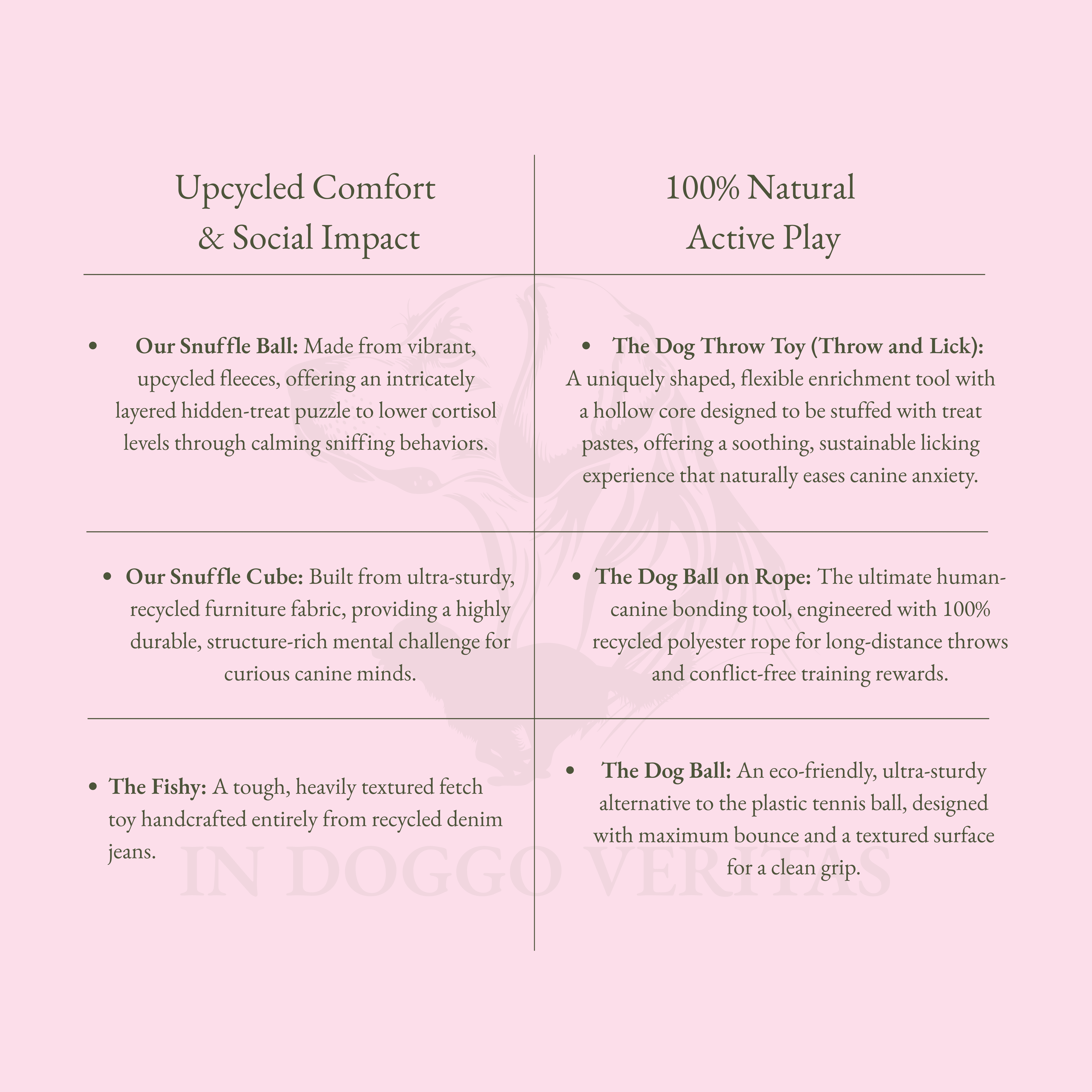
1. Upcycled Comfort & Social Impact
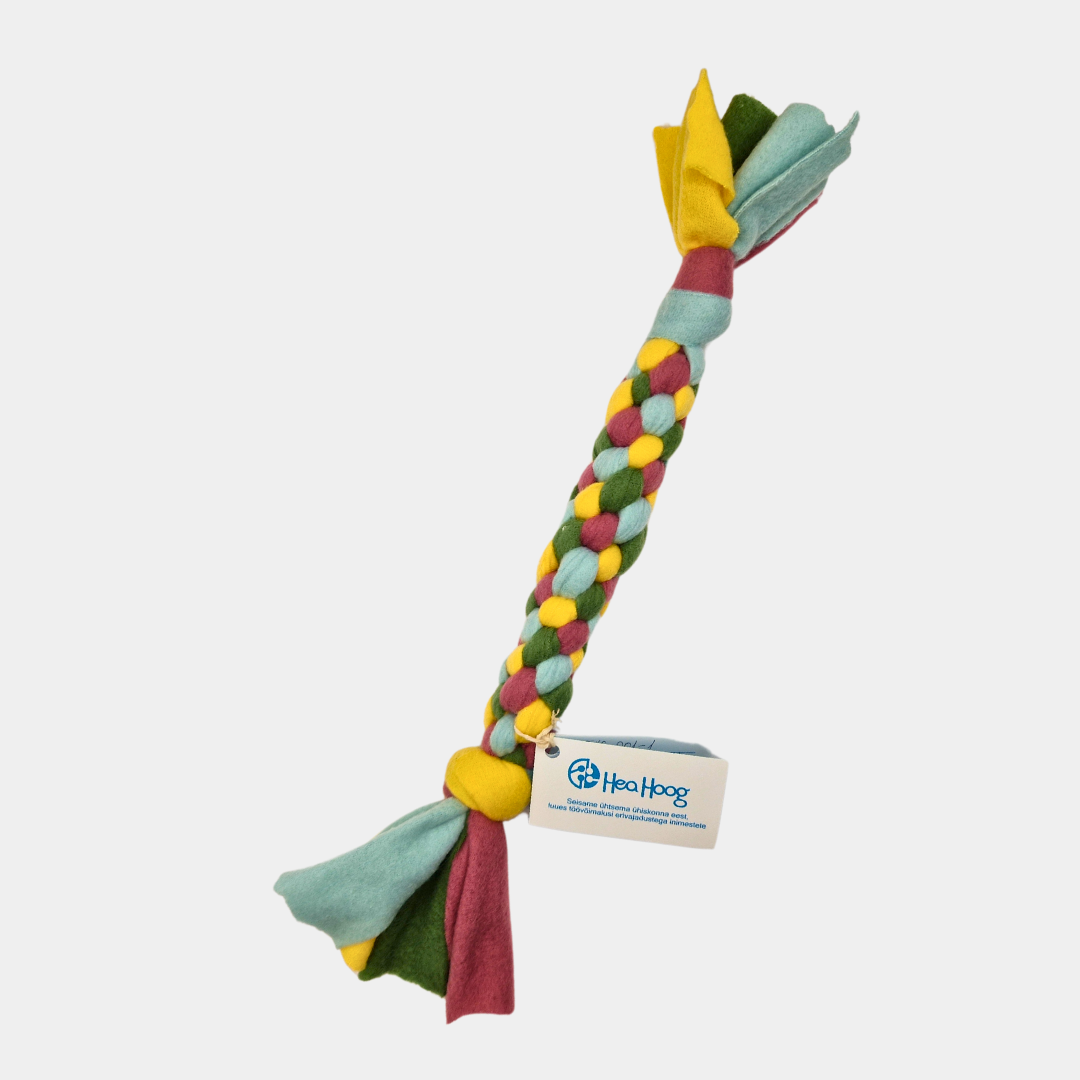
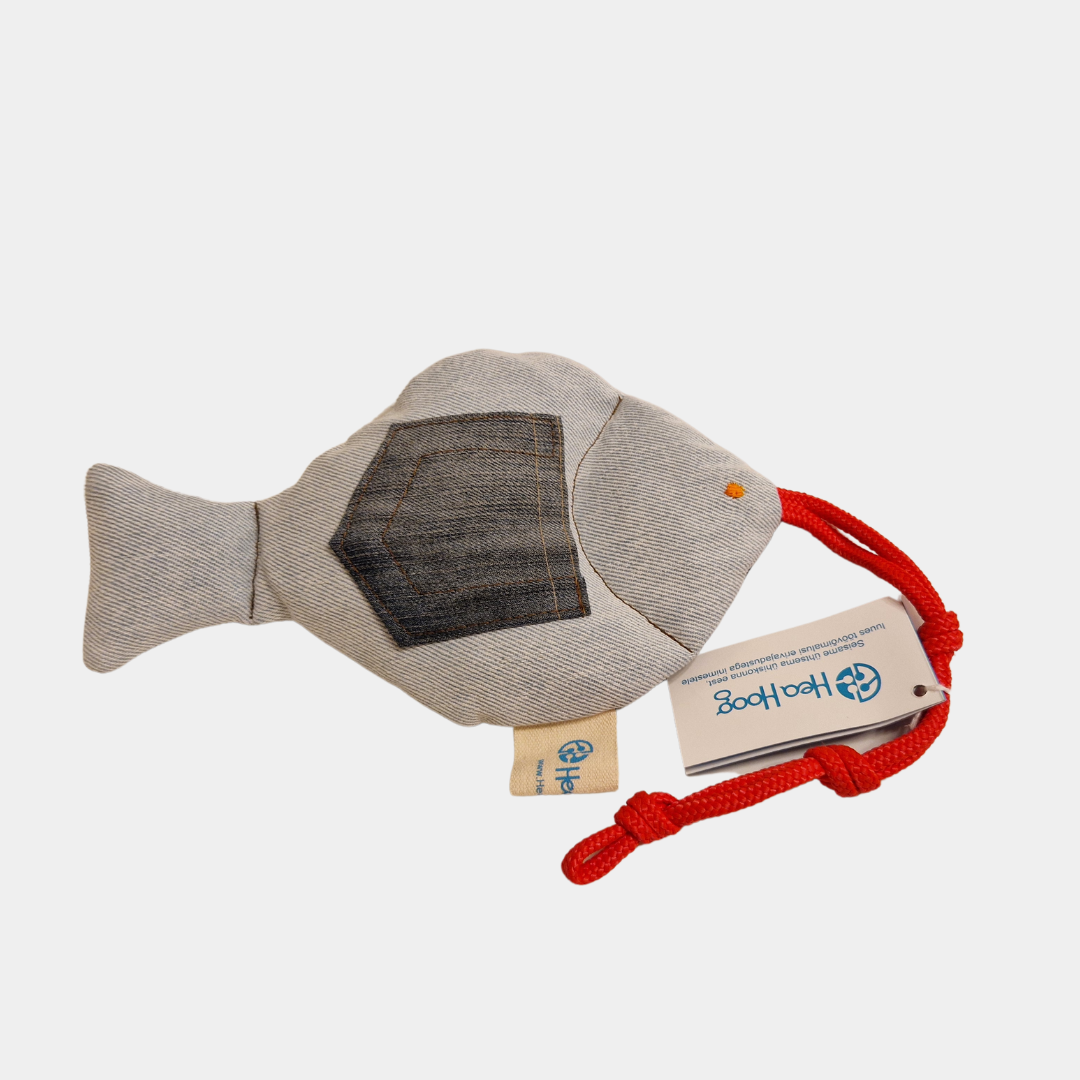
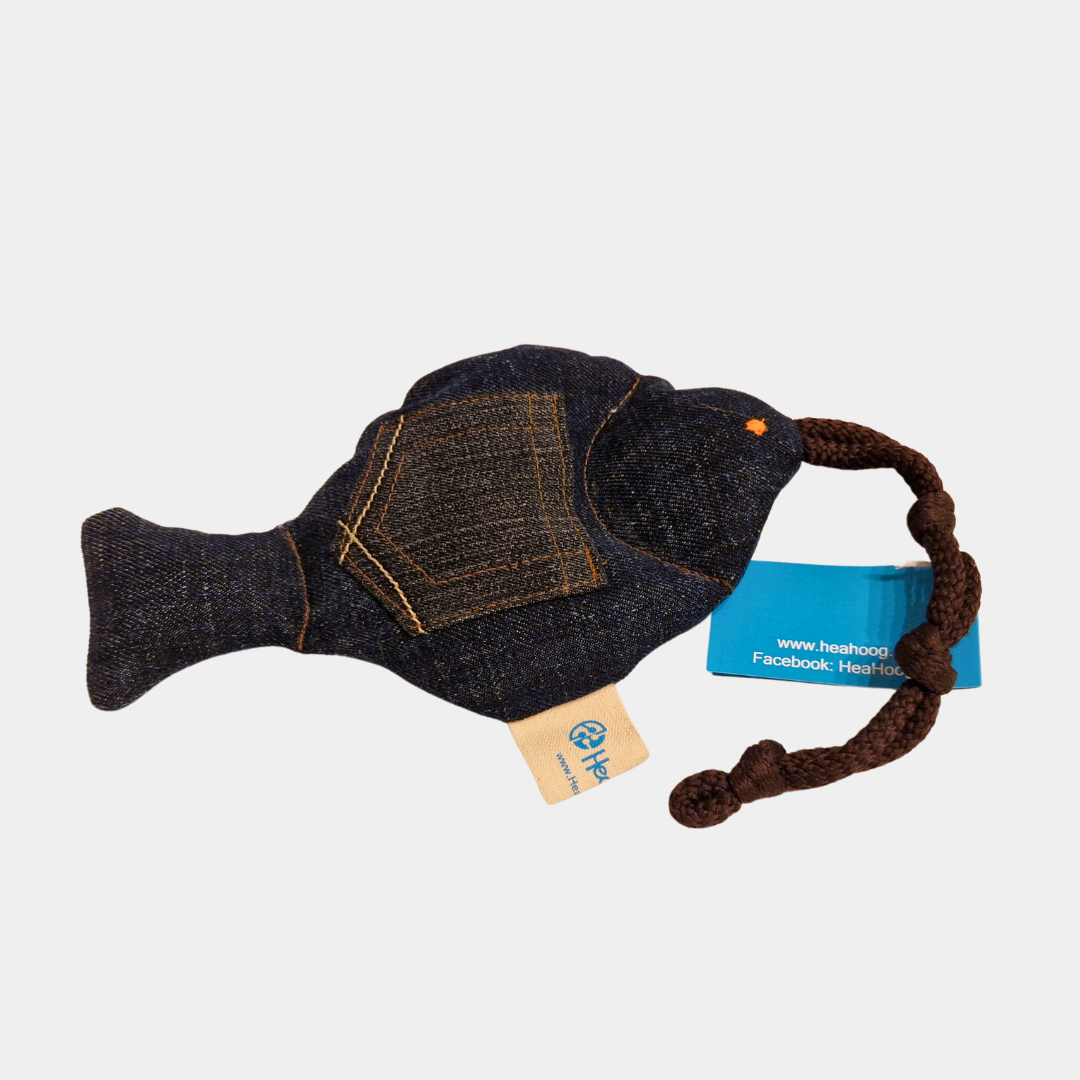
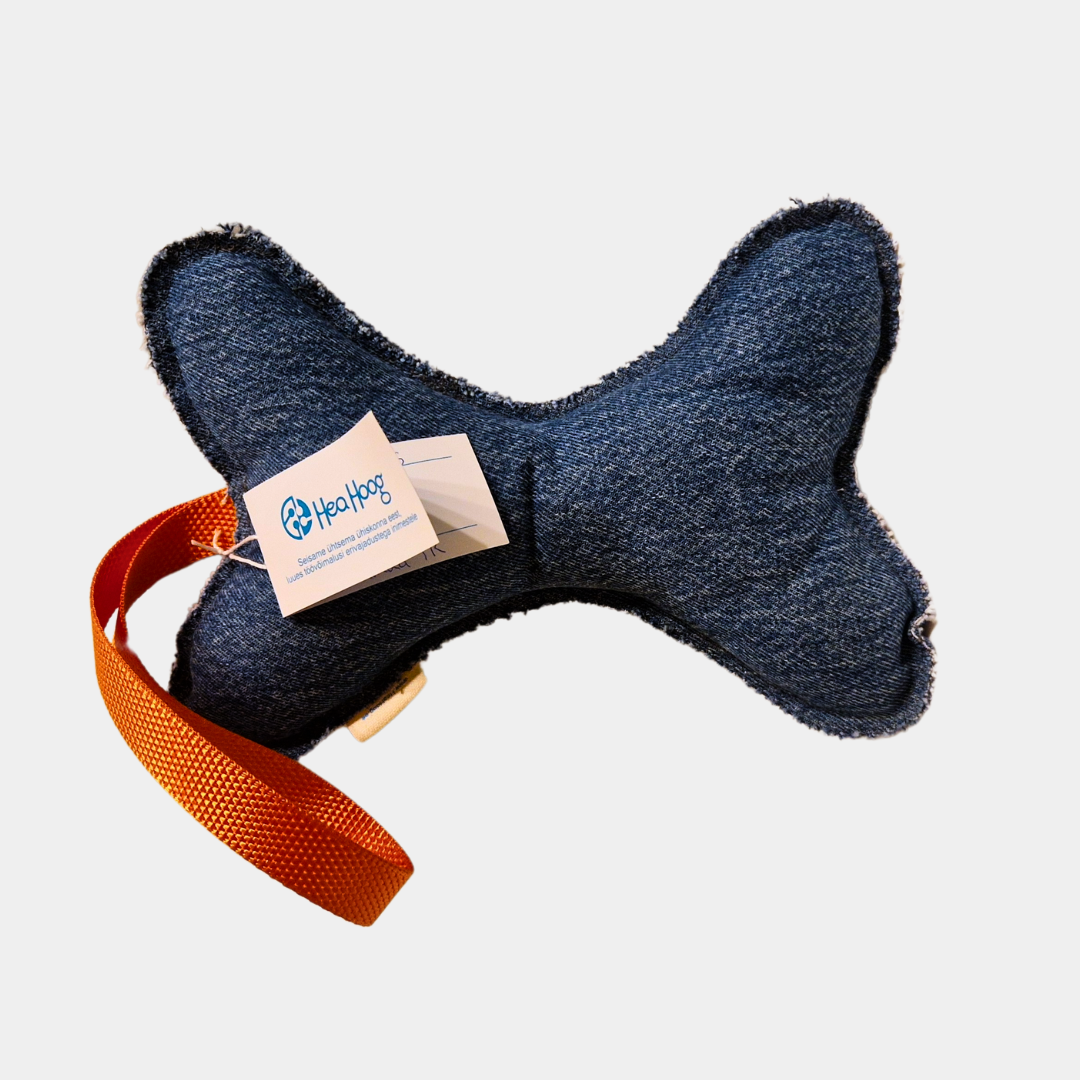
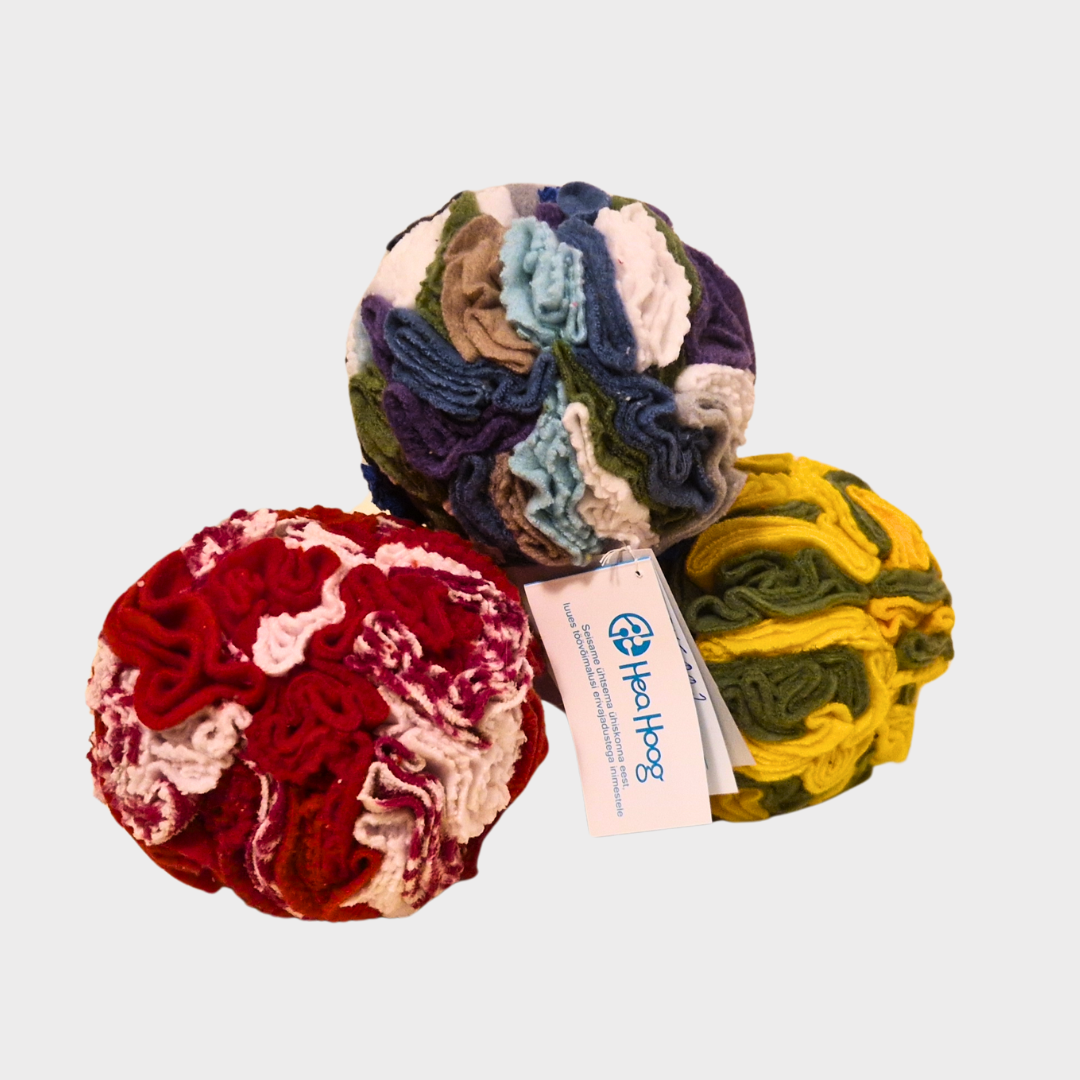
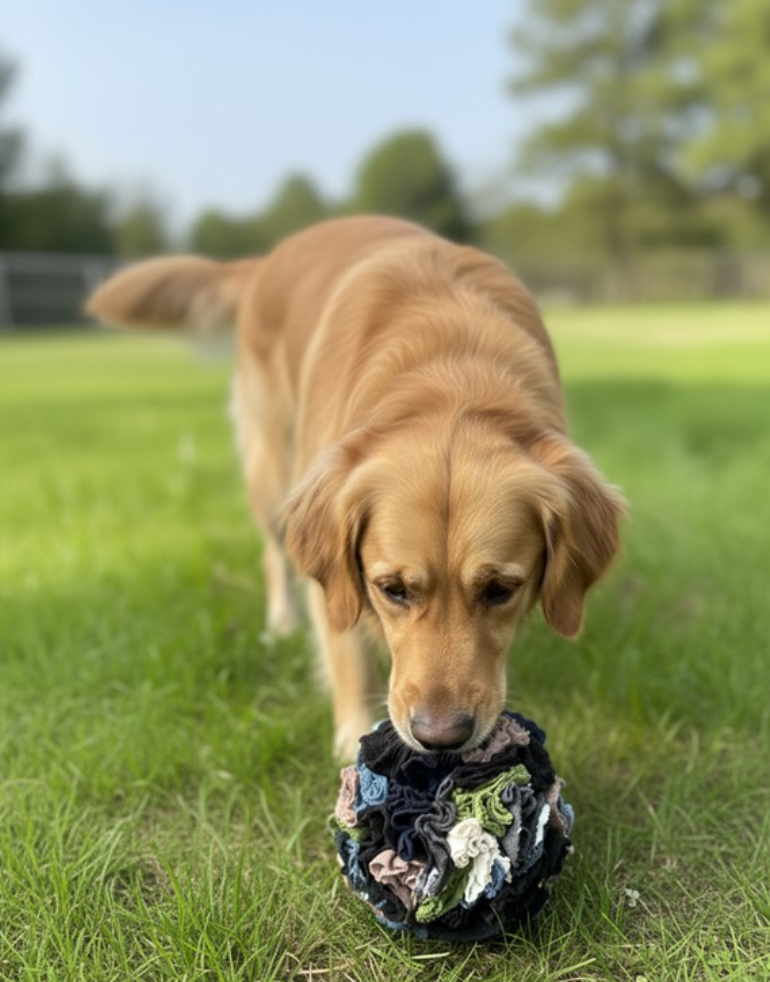
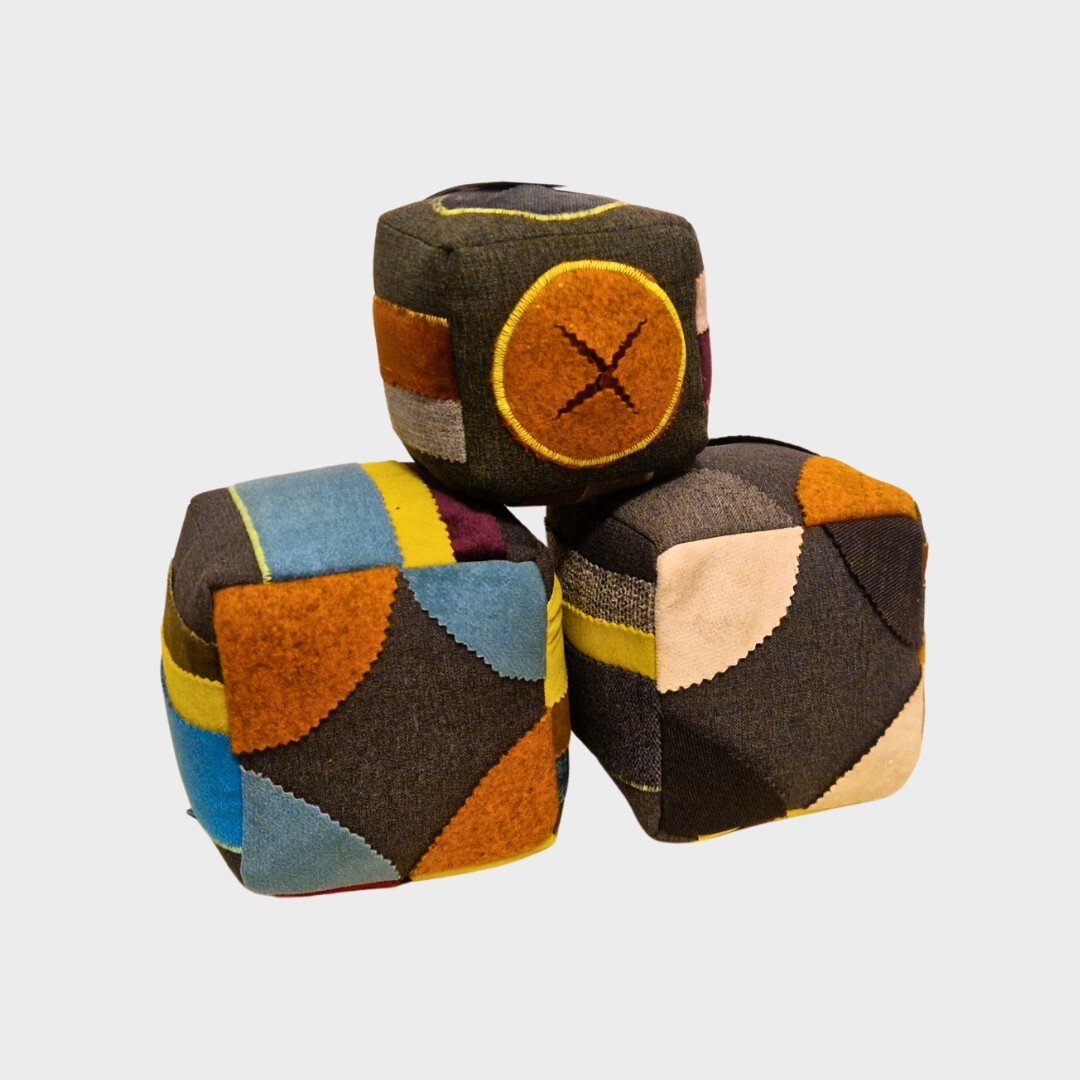
For cozy indoor enrichment and emotional comfort, we bypass virgin plastic entirely by transforming discarded textile waste into artisanal sensory toys. Each of these products is thoughtfully handcrafted by individuals with special needs, proving that true climate smart solutions should include human dignity and social inclusivity.
2. 100% Natural Active Play
For high-drive outdoor sports, agility, and powerful chewers, we partner with cutting-edge sustainable engineering. We are proud to feature active tools from Non-stop dogwear—the world’s very first dog gear company to become an official Bluesign® system partner (Bluesign Technologies, n.d.).
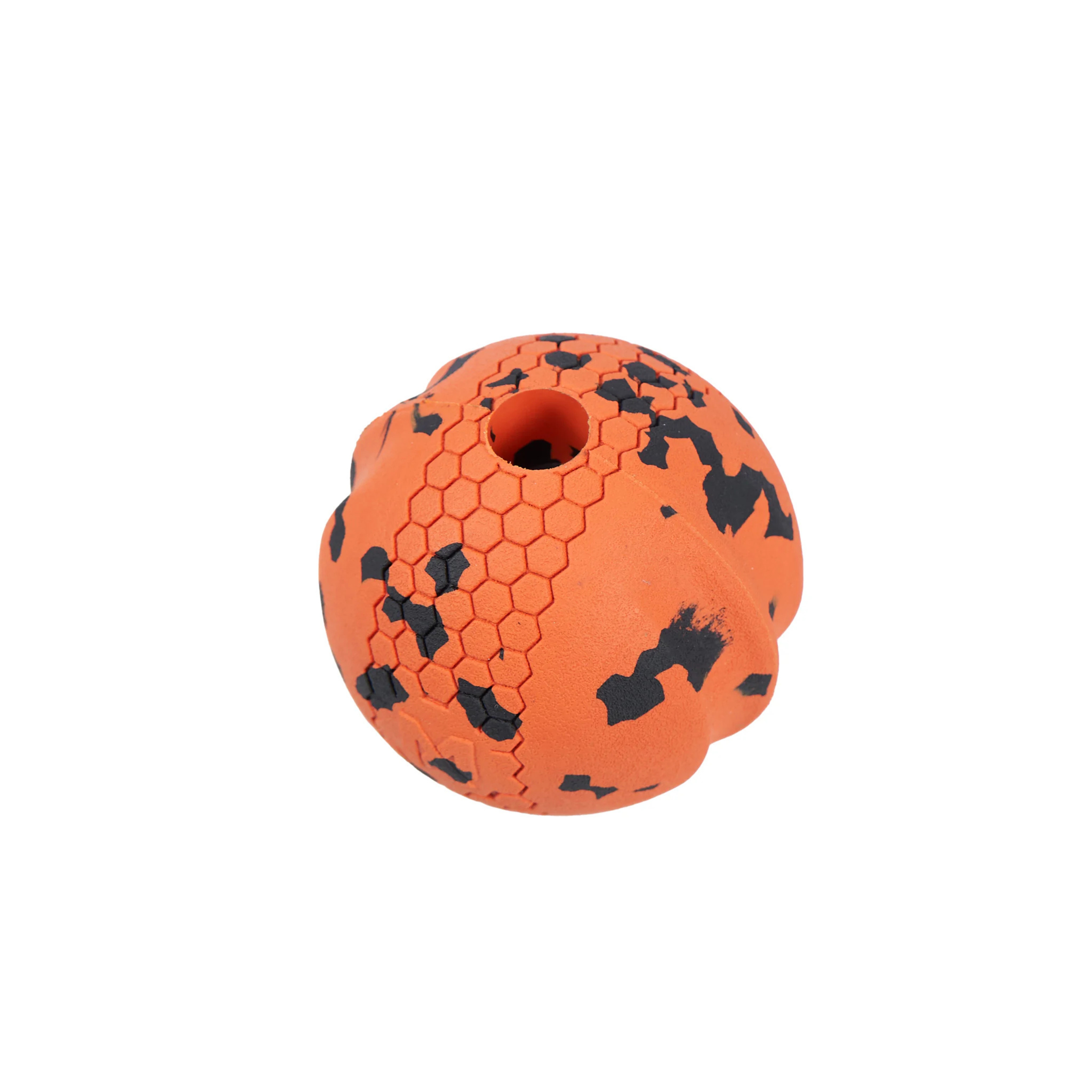
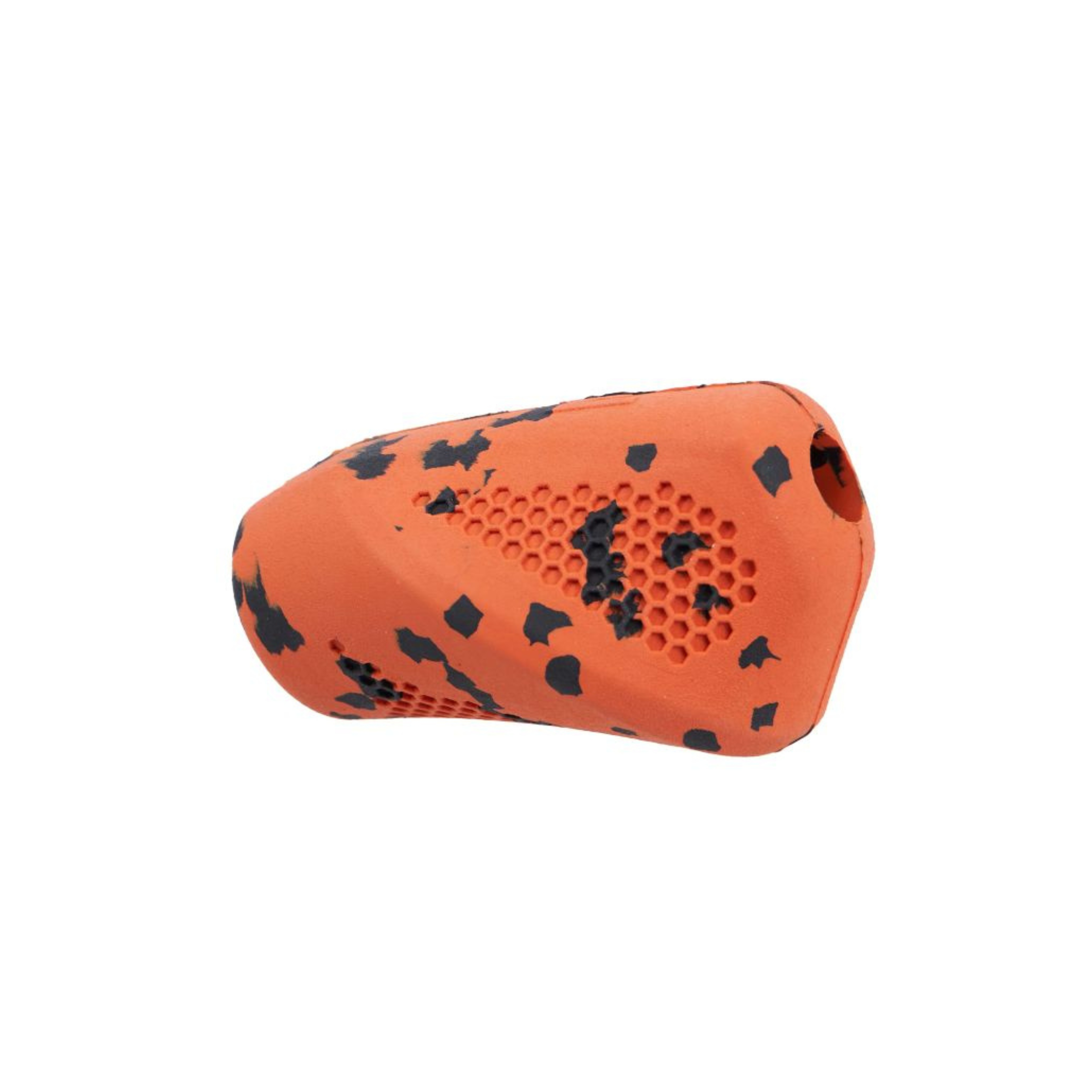
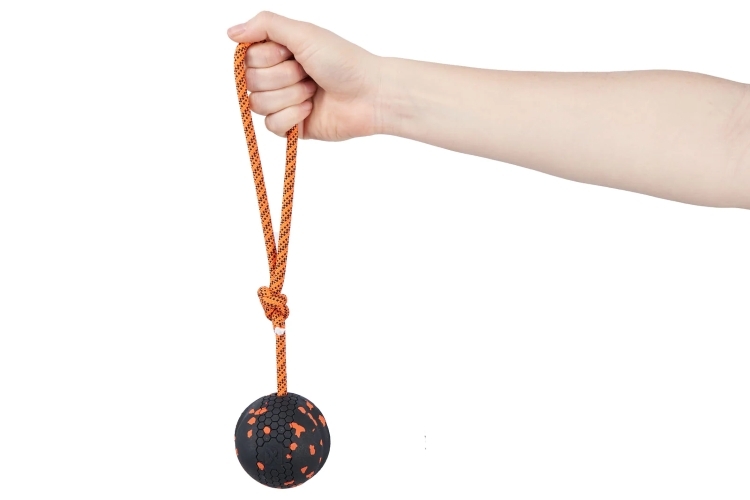
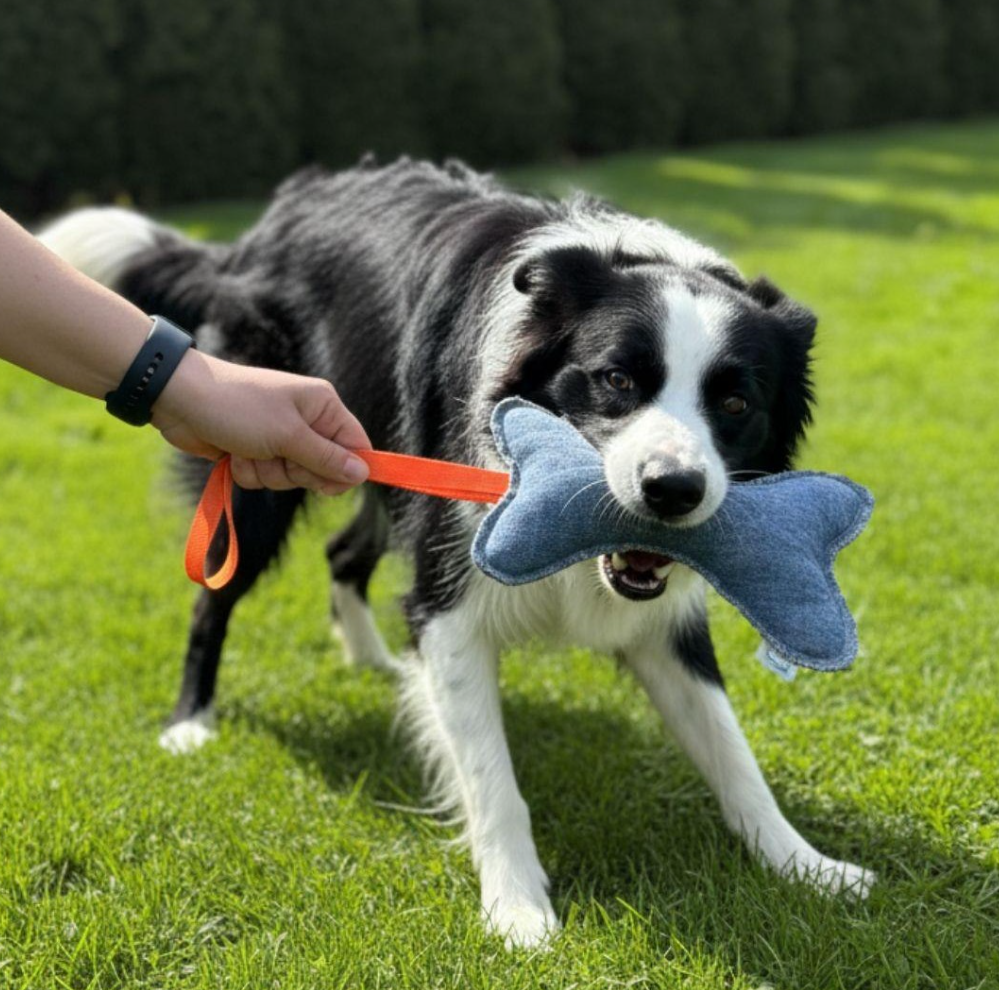
Unlike eco-labels that only test final products, the Bluesign® system acts as a rigorous environmental audit from day one. Through strict "Input Stream Management," every raw material, chemical, and dye is verified before production begins (Bluesign Technologies, n.d.). This guarantees a manufacturing process entirely free of heavy metals, toxic fluorocarbons (PFCs), and carcinogens—safeguarding workers, waterways, and your dog's health. By eradicating toxins at the source, Non-stop dogwear replaces hazardous petrochemicals with 100% bio-based alternatives. Their active play series utilizes an FDA-approved blend of sustainable natural rubber and renewable bamboo fiber, engineered for safe oral contact while withstanding an astonishing 2,000 kg of puncture bite force:
A New Narrative of Toys in Hong Kong
By actively choosing upcycled textiles that extend fabric lifecycles and biobased toys designed to safely biodegrade, we can completely rewrite the narrative of pet product waste. This shift allows us to fully satisfy the vital enrichment our companions need to thrive, converting a looming ecological disaster into a conscious act of preservation for the very earth they love to run upon. We know we cannot change the global manufacturing industry overnight, but we are deeply committed to providing thoughtful, climate-smart choices for Hong Kong pet parents—even through a step as seemingly small as a 60mm ball. Our deepest hope is that by making this shift together, we will inspire a collective demand for sustainable solutions, sparking meaningful change not just in how we care for our dogs, but in every other aspect of our shared lives on this planet.
Bibliography:
Bluesign Technologies. (n.d.). The bluesign® system: Input stream management. Bluesign.
Broom, D. M. (2019). Animal welfare: An aspect of care, sustainability, and food quality required by the public. Journal of Veterinary Medical Education, 46(1), 14-21.
Chariot Energy. (2021). How long does it take for plastic to decompose? Chariot Energy Environmental Insights.
Consumer Council. (2026, June 29). Over 90% of dog toy models found to have satisfactory performance in chemical safety: Migration level of chromium (III) in 1 model higher than stipulated limit. Hong Kong Consumer Council Press Release (Issue 588).
Dror, S., Miklósi, Á., Sommese, A., Temesi, A., & Fugazza, C. (2022). Multisensory mental representation of objects in typical and Gifted Word Learner dogs. Animal Cognition, 25(5), 1147–1156.
Earthday.org. (2024).Pets vs. Plastics: An investigation into plastic pollutants in pet food, toys, and bedding. Earth Day Network Global Reports.
Environmental Protection Agency. (1993). Nonpoint source pollution: The nation's largest water quality problem (EPA Pointer No. 1, EPA841-F-93-004A). United States Environmental Protection Agency, Office of Water.
Fagan, B. (2015). The intimate bond: How animals shaped human history. Bloomsbury Publishing.
Farnworth, M. J., Chen, R., Packer, R. M., Burn, C. C., & Hedley, L. (2016). Flat-faced and fashionable: Understanding the public’s attachment to brachycephalic dog breeds. Animal Welfare, 25(1), 13-25.
Fawcett, A., & Sandøe, P. (2015). Companion animal ethics. Wiley-Blackwell.
Grand View Research. (2023). Pet toys market size, share & trends analysis report by product (ball, plush, interactive), by pet type (dogs, cats), by distribution channel, and segment forecasts, 2023 - 2030 (Report ID: GVR-4-68039-444-7).
Krawczyk, A., Nowakowicz-Dębek, B., Chmielowiec-Korzeniowska, A., & Bis-Wencel, H. (2025). Environmental pawprint of dogs as a contributor to climate change. Animals, 15(21), Article 3152.
Nussbaum, M. C. (2023). Justice for animals: Our collective responsibility. Simon & Schuster.
Sawant, A. (2026, February 4). Veterinarians must lead the climate-smart pet ownership conversation. DVM360 Magazine.
Wooten, K. J., Smith, P. N., & Anderson, T. A. (2013). Canine toys and training devices as sources of exposure to phthalates and bisphenol A: Quantitation of chemicals in leachate and in vitro screening for endocrine activity. Chemosphere, 93(9), 2410-2417.