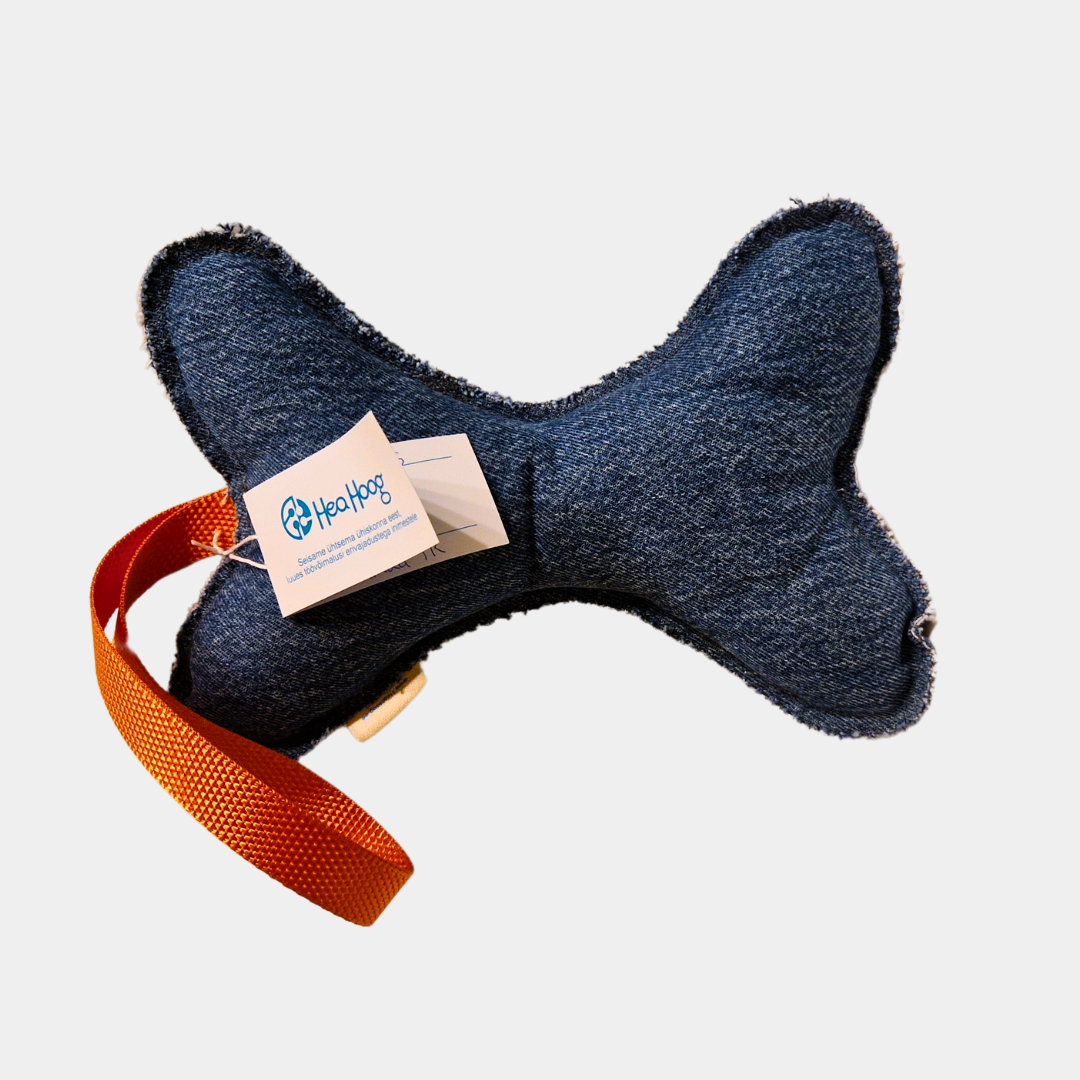
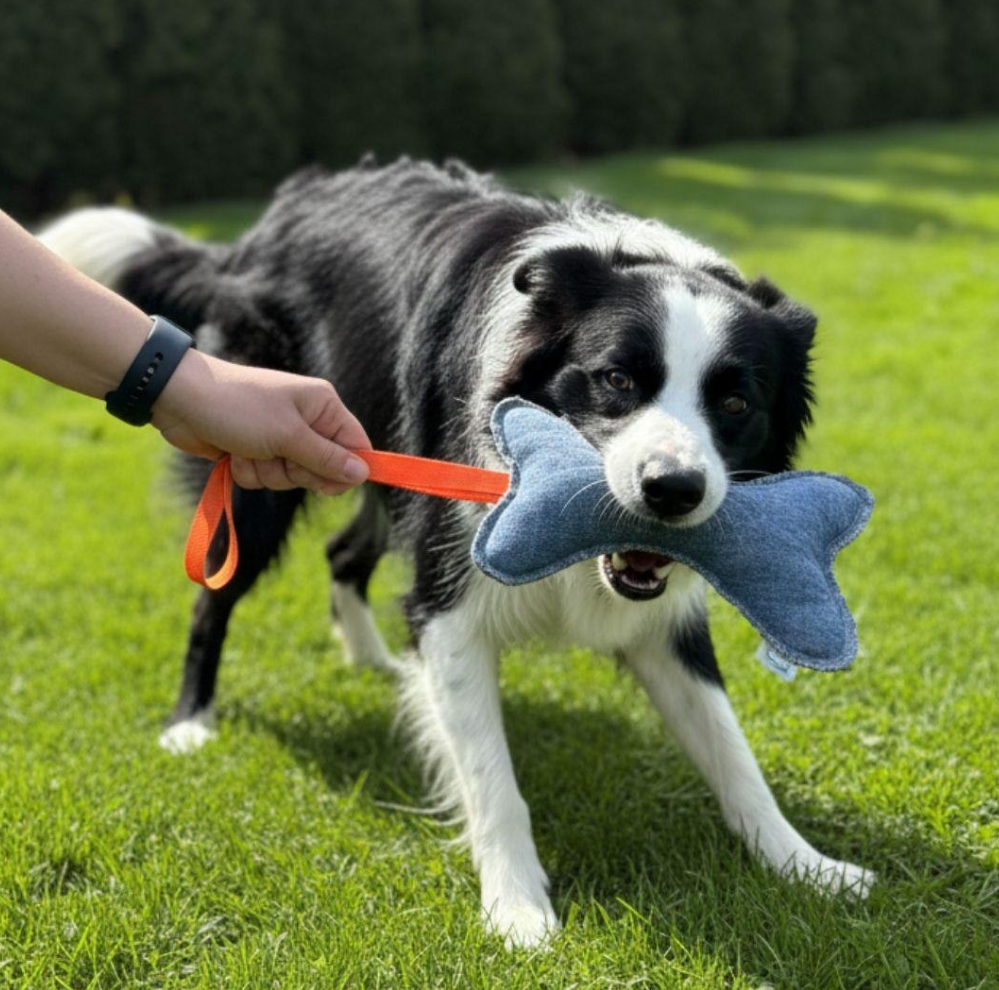
要真正理解豐富化的重要性,我們必須首先透過伴侶犬生命倫理學(Companion Dog Bioethics)的視角來審視。現代都市犬隻在日常生活中幾乎毫無選擇權(Rollin, 2020)。牠們無法選擇何時散步、無法挑選想互動的犬隻朋友,甚至連何時進食都無法決定(Palmer, 2010)。這種自主權(Autonomy)的徹底匱乏,是引發慢性無形壓力的深層根源。
與商業導向的宣傳相反,真正的豐富化無法透過購物取得。它絕非寵物店裡一排排的塑膠益智玩具,而是一個雙向反饋的動態過程——你需要持續觀察並進行調整,以滿足愛犬在生物學、行為學、認知、情緒與社交上的多重需求(Newberry, 1995)。在 In Doggo Veritas,我們相信真正的豐富化仰賴策略性的環境設計、新鮮的體驗,以及給予狗狗表達訴求的聲音。本篇文章旨在提供能直接融入您現有作息的實用要素。
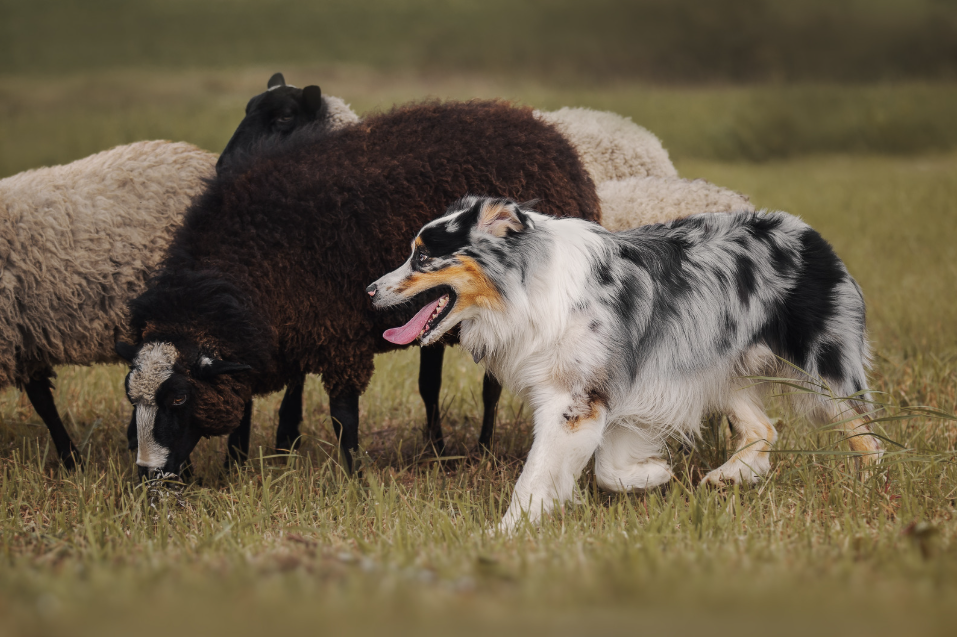
牧羊犬種(Herding Breeds,如邊境牧羊犬、澳洲牧羊犬) 基因與大腦構造:擁有高度專業化的捕食運動模式,高度專注於潛行、追逐與控制逃跑,同時完全省略終端咬合行為。牠們天生被制約去管理其他動物的移動。神經解剖圖譜顯示,其專注於視覺、空間導航與人類協同注視的神經網絡顯著擴充(Hecht et al., 2019)。基因圖譜將牧羊血統與高度可訓性及對環境移動極度敏感的神經變異聯繫起來(MacLean et al., 2019)。若缺乏結構化管道,這種天性常轉化為對車輛、影子或兒童的強迫性追逐。
豐富化是光譜,而非清單(A Spectrum, Not a Checklist):您不需要完美的日程表或昂貴的專業裝備來滿足狗狗的祖先藍圖。真正的環境修改,減法與加法同等重要。有時,您能為一隻過度激發的狗狗做出的最高價值豐富化選擇,僅僅是移除環境混亂、提供一個開放的犬舍,讓牠們不受打擾地好好睡一覺。
共同調節的力量(The Power of Co-Regulation):犬隻行為福祉本質上是雙向的。一個因複雜豐富化日程而感到慢性壓力、焦慮或倦怠的人類照顧者,會不自覺地將這種情緒激發透過牽繩傳遞給狗狗。您的內心平靜是您愛犬安全的基石;您的穩定是牠們終極的社交緩衝。
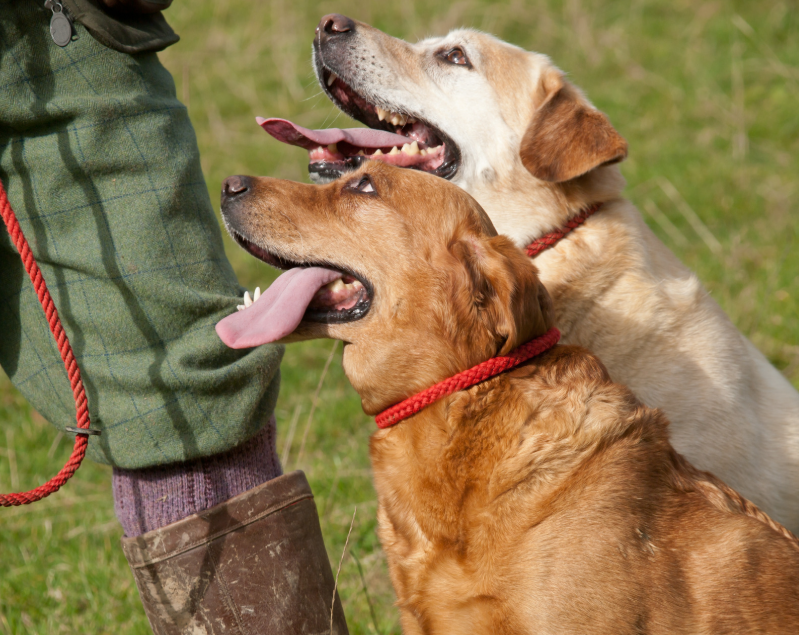
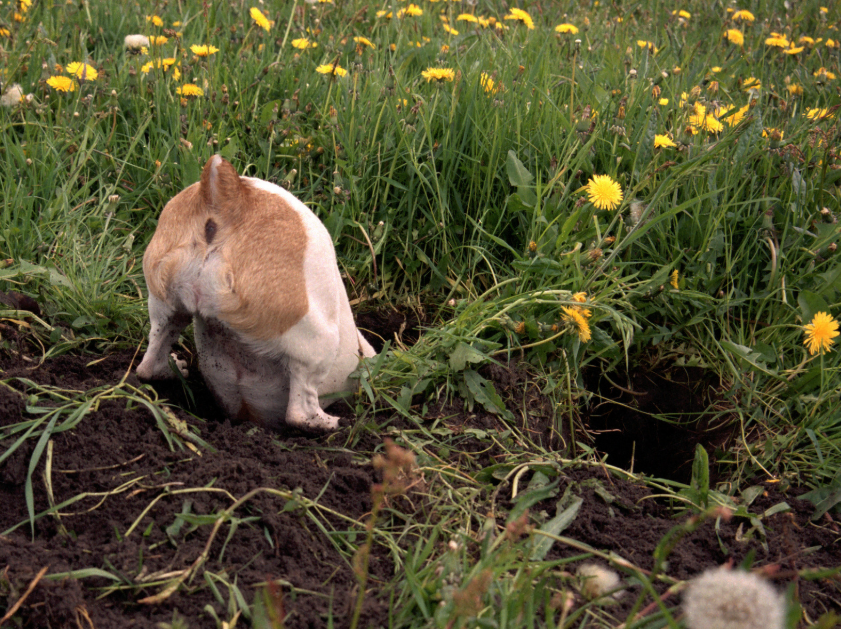
尊重牽繩兩端的個體獨特性(Honoring the Individual at Both Ends of the Leash): 在 In Doggo Veritas,我們相信學習與成長應建立在對人類照顧者而言真正永續、舒適的步調之上。您不需要在一夜之間徹底重塑自己的生活。今天就從滿足您愛犬特定品種捕食序列中的其中一個片段步驟開始——無論是為梗犬安排 10 分鐘的紙箱撕裂時間,或是讓尋回犬在寧靜的散步中銜著物品前行。
Bekoff, M. (2007). The emotional lives of animals: A leading scientist explores animal joy, sorrow, and empathy—and why they matter. New World Library.
Bunford, N., Reicher, V., Vargáné Kis, A., Pogány, Á., Gombos, F., Bódizs, R., & Gácsi, M. (2018). Differences in pre-sleep activity and sleep location are associated with variability in daytime/nighttime sleep electrophysiology in the domestic dog. Scientific Reports, 8(1), 7109.
Coppinger, R., & Coppinger, L. (2001). Dogs: A startling new understanding of canine origin, behavior, and evolution. Scribner.
Duranton, C., & Horowitz, A. (2019). Let me sniff! Nosework induces positive affect in domestic dogs. Applied Animal Behaviour Science, 211, 61-66.
Dutrow, E. E., Plassais, J., Hogan, A. N., Zhou, G. D., Parker, H. G., Harris, A. C., ... & Ostrander, E. A. (2022). Domestic dog lineages reveal genetic drivers of behavioral diversification. Cell, 185(25), 4737-4753.
Lord, K., Coppinger, L., & Coppinger, R. (2013). Variations in consecutive stages of the predatory motor pattern among domestic dog breed groups. Behavioural Processes, 98, 38-45.
MacLean, E. L., Snyder-Mackler, N., vonHoldt, B. M., & Serpell, J. A. (2019). Highly heritable breed differences in canine behavior correspond to genetic lineages. Proceedings of the Royal Society B: Biological Sciences, 286(1912), 20190716.
Majumder, S., Bhadra, A., Ghosh, A., & Mitra, S. (2014). To be or not to be social: Foraging strategies of free-ranging dogs in an urban environment. Applied Animal Behaviour Science, 154, 57-66.
Meehan, C. L., & Mench, J. A. (2007). The challenge of challenge: Can problem solving opportunities enhance animal welfare? Applied Animal Behaviour Science, 102(3-4), 246-261.
Newberry, R. C. (1995). Environmental enrichment: Increasing the biological relevance of captive environments. Applied Animal Behaviour Science, 44(2-4), 229-243.
Overmier, J. B., & Seligman, M. E. (1967). Effects of inescapable shock on subsequent escape and avoidance responding. Journal of Comparative and Physiological Psychology, 63(1), 28-33.
Palmer, C. (2010). Animal ethics in context. Columbia University Press.
Panksepp, J. (1998). Affective neuroscience: The foundations of human and animal emotions. Oxford University Press.
Panksepp, J. (2005). Affective consciousness: Core emotional feelings in animals and humans. Consciousness and Cognition, 14(1), 30-80.
Riemer, S., Heritier, C., Windschnurer, I., Pratsch, L., Arhant, C., & Affenzeller, N. (2021). Effects of leash tension and environmental triggers on salivary cortisol concentrations in pet dogs during urban walks. Domestic Animal Endocrinology, 74, 106115.
Rollin, B. E. (2020). The bioethics of companion animals: Autonomy and rights within human-centric social environments. Veterinary Clinics: Small Animal Practice, 50(4), 711-723.
Schilder, M. B., & van der Borg, J. A. (2004). Training dogs with help of the shock collar: Short and long term behavioural effects. Applied Animal Behaviour Science, 85(3-4), 319-334.
Serpell, J. A., & Hsu, Y. (2005). Effects of breed, sex, and neuter status on trainability in dogs. Journal of the American Veterinary Medical Association, 227(9), 1434-1439.
Spinka, M., Newberry, R. C., & Bekoff, M. (2001). Mammalian play: Training for the unexpected. The Quarterly Review of Biology, 76(2), 141-168.
Wells, D. L. (2009). A review of environmental enrichment for kennelled dogs, Canis familiaris. Applied Animal Behaviour Science, 120(3-4), 111-119.